


Key Takeaways
- Semaglutide can reduce appetite and slow gastric emptying, so smaller meals with protein, fiber, and healthy fats often feel better in the first 30 days.
- For the first month, aim for 4 to 5 small meals per day, include 15 to 20 g of lean protein per meal, and add non-starchy vegetables for fiber.
- To help preserve muscle during weight loss, the plan recommends about 1.2 to 1.5 g of protein per kilogram of body weight per day.
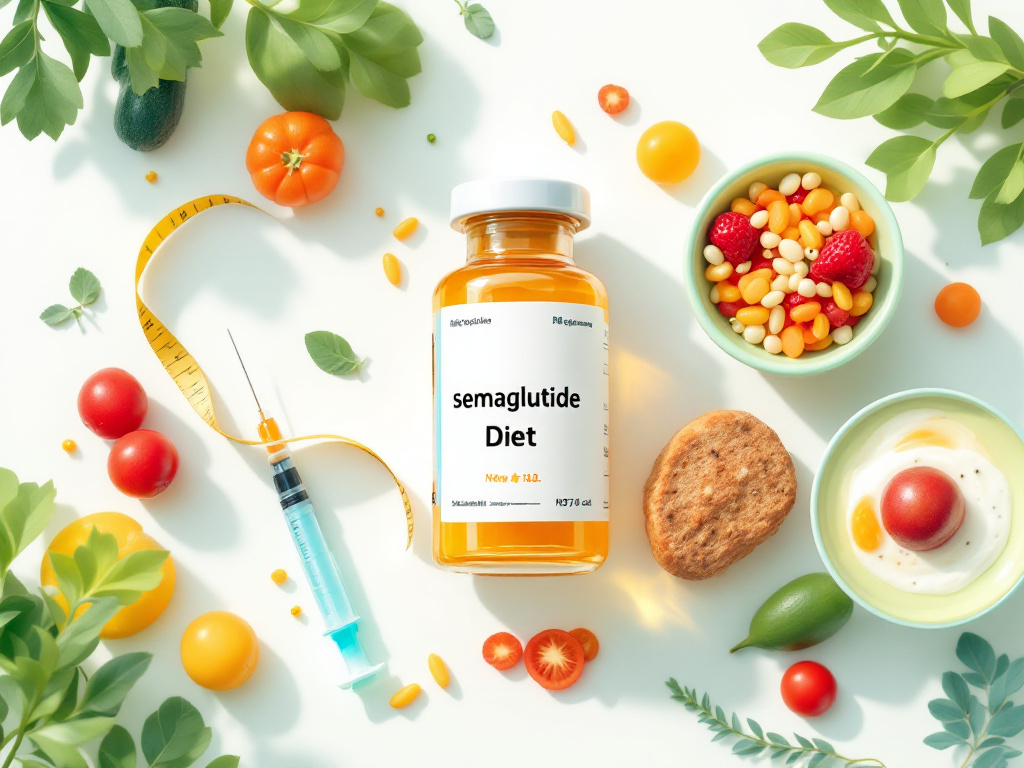
We know that crafting a balanced semaglutide diet can boost our weight loss results while keeping side effects in check. As a glucagon-like peptide-1 receptor agonist, semaglutide helps curb appetite and regulate blood sugar by mimicking the hormone GLP-1, slowing gastric emptying and promoting fullness. In the STEP clinical trials, once-weekly semaglutide 2.4 mg produced mean weight losses of 14.9% to 17.4% over 68 weeks in adults with overweight or obesity (PMC). To make the most of your semaglutide plan, we’ve put together meal plans, recipes and practical tips for the first 30 days and beyond.
Whether you’re using Wegovy, Ozempic or Rybelsus under the umbrella of semaglutide brands, our semaglutide diet guide will help you choose foods that support weight loss, preserve muscle and minimize gastrointestinal discomfort.
Semaglutide meal plan for first 30 days
Adapting to semaglutide often means starting slow and listening to your body. During the first month we focus on small meals rich in lean protein, fiber and healthy fats. Gradual adjustments help reduce nausea and help you stick with the program.
Week 1: small gentle meals
- Eat 4 to 5 small meals daily
- Include 15–20 g of lean protein per meal (eg chicken, fish, tofu)
- Add non-starchy vegetables for fiber (spinach, cucumbers, zucchini)
- Sip water throughout the day to stay hydrated
Week 2 to 3: introduce variety
- Swap plain protein sources for grilled, baked or steamed options
- Add whole grains like quinoa or brown rice in ½-cup servings
- Incorporate prebiotic fibers (asparagus, onions, garlic) to support gut health (Healthline)
- Monitor portion sizes and adjust based on hunger cues
Week 4: fine-tune portions
- Aim for balanced plates: ¼ protein, ¼ whole grains, ½ vegetables
- Experiment with healthy fats such as avocado or olive oil (1–2 tbsp)
- Keep meal frequency consistent to stabilize blood sugar
- Prepare simple batch-cooked items for busy days
Sample daily menu
| Meal | Foods |
|---|---|
| Breakfast | Greek yogurt with berries, 1 tbsp chia seeds |
| Snack | Apple slices with 1 tbsp almond butter |
| Lunch | Grilled chicken salad with mixed greens, quinoa, olive oil vinaigrette |
| Snack | Baby carrots with 2 tbsp hummus |
| Dinner | Baked salmon, steamed broccoli, ½ cup brown rice |
High-protein recipes while on semaglutide
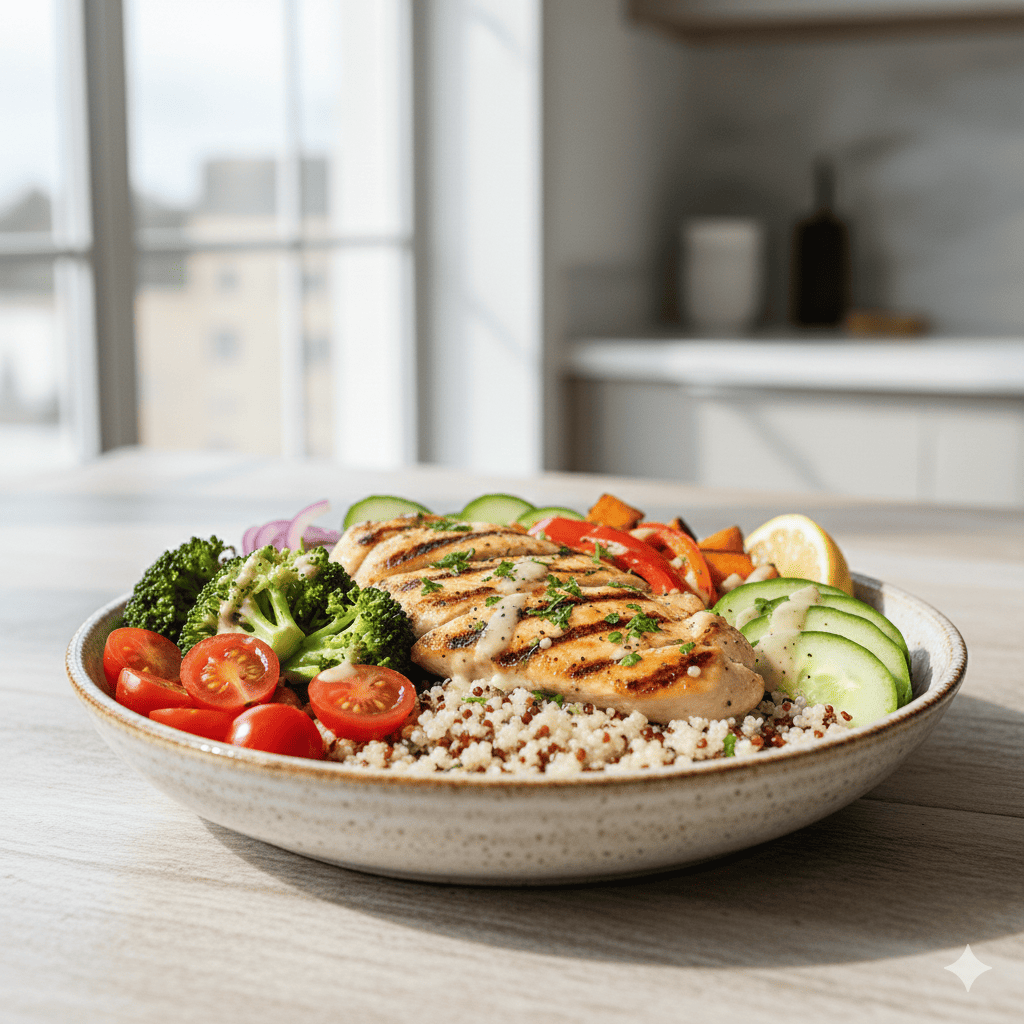
Focusing on protein helps us preserve lean muscle mass as we lose weight. We recommend 1.2–1.5 g of protein per kilogram of body weight daily.
Grilled chicken quinoa bowl
Ingredients
- 4 oz chicken breast, sliced
- ½ cup cooked quinoa
- 1 cup mixed veggies (bell peppers, cucumbers, cherry tomatoes)
- 1 tbsp olive oil
- Lemon juice, salt and pepper to taste
Instructions
- Marinate chicken in olive oil, lemon juice, salt and pepper for 15 minutes
- Grill or pan-sear chicken until internal temperature reaches 165 °F
- Toss cooked quinoa and veggies with a splash of olive oil
- Top quinoa mixture with sliced chicken and serve warm
Baked salmon with roasted veggies
Ingredients
- 4 oz salmon fillet
- 1 cup broccoli florets
- ½ cup sliced zucchini
- 1 tbsp olive oil
- Herbs (dill, parsley), salt and pepper
Instructions
- Preheat oven to 400 °F
- Place salmon on a parchment-lined sheet, season with herbs, salt and pepper
- Toss veggies in olive oil, salt and pepper, arrange around salmon
- Bake 15–18 minutes until salmon flakes easily with a fork
Lentil and veggie stir-fry
Ingredients
- 1 cup cooked lentils
- 1 cup mixed stir-fry veggies (snap peas, carrots, mushrooms)
- 1 tbsp low-sodium soy sauce
- 1 tsp sesame oil
Instructions
- Heat sesame oil in a nonstick pan over medium heat
- Add veggies and cook 4–5 minutes until tender
- Stir in lentils and soy sauce, cook 2 more minutes
- Serve with a squeeze of lime
Foods that trigger nausea with semaglutide
Semaglutide slows gastric emptying, which can lead to bloating, nausea or heartburn. Being mindful of certain triggers helps us stay comfortable and on track (Healthline).
Avoid these triggers
- Spicy dishes and hot sauces
- High-fat fried foods (french fries, fried chicken)
- Acidic items like citrus fruits and tomato sauce
- Carbonated drinks and artificial sweeteners
Nausea management tips
- Eat several small meals instead of large portions
- Sip ginger or peppermint tea between bites
- Chew food slowly and pause if discomfort arises
- Keep snacks on hand (plain crackers, banana slices)
- For more on managing side effects, see semaglutide side effects
Ideal macronutrient breakdown for weight loss
A balanced semaglutide diet emphasizes moderate carbs, sufficient protein and healthy fats to fuel our bodies and preserve muscle.
| Macronutrient | Percentage | Grams per 2,000 cal |
|---|---|---|
| Protein | 30% | 150 g |
| Carbohydrates | 40% | 200 g |
| Fats | 30% | 67 g |
- Lean proteins (chicken, fish, beans) support muscle retention
- Low-glycemic carbs (oats, sweet potatoes) help regulate blood sugar, especially for those using semaglutide for diabetes
- Healthy fats (avocado, nuts, olive oil) promote satiety
Intermittent fasting and semaglutide compatibility
Combining intermittent fasting with semaglutide can enhance fat burning, but we recommend a few precautions.
Benefits of combining
- May amplify appetite control by extending GLP-1 activity
- Can improve insulin sensitivity and metabolic flexibility
Fasting protocols
- 12:12 method: 12 hours fasting, 12 hours eating
- 16:8 method: 16 hours fasting, 8 hours eating
- Adjust according to personal energy levels and medication schedule
Key cautions
- Semaglutide dosing is once weekly regardless of meal timing; see semaglutide dosing
- Monitor blood sugar closely if you have type 2 diabetes
- If you notice semaglutide not working with fasting, revisit meal composition and hydration
- Break fast gently with protein-rich, low-glycemic foods
Grocery list for semaglutide users
Stocking our kitchen with the right ingredients sets us up for success. Here’s a starter list:
- Non-starchy vegetables: leafy greens, zucchini, mushrooms
- Whole grains: brown rice, quinoa, oats
- Lean proteins: chicken breast, turkey, tofu, Greek yogurt
- Healthy fats: avocado, nuts, olive oil
- Prebiotic foods: asparagus, onions, garlic, bananas
- Fruits: berries, apples, pears
- Hydration: water, herbal teas, electrolyte-free broths
Smoothie recipes for sensitive stomachs
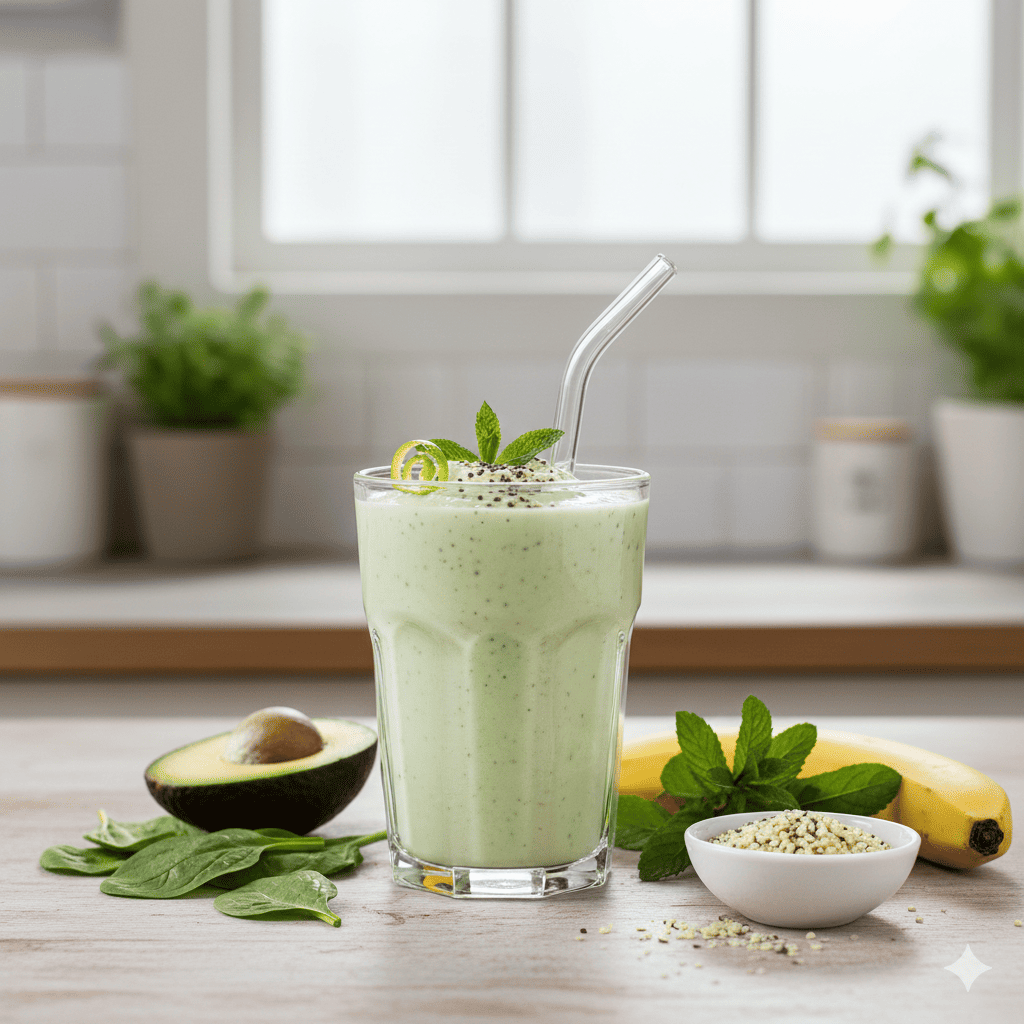
Smoothies can be gentle on the gut and help us meet protein and fiber goals without upsetting digestion.
Green soothing smoothie
Ingredients
- 1 cup spinach
- ½ cup cucumber, chopped
- ½ banana
- 1 scoop unflavored protein powder
- 1 cup water or unsweetened almond milk
Instructions
- Blend all ingredients until smooth
- Sip slowly, pausing if any discomfort arises
Berry yogurt blend
Ingredients
- ½ cup mixed berries (strawberries, blueberries)
- ½ cup plain Greek yogurt
- 1 tbsp ground flaxseed
- ½ cup water
Instructions
- Combine ingredients in blender
- Blend until creamy and pour into a glass
Banana oat smoothie
Ingredients
- 1 small banana
- 2 tbsp oats (pre-soaked if preferred)
- 1 tbsp almond butter
- 1 cup water
Instructions
- Blend banana, oats and almond butter
- Add water gradually until desired consistency
By following this semaglutide diet plan, we can support our weight loss journey, manage side effects and build habits that last beyond the first month. Let’s get started and embrace healthier eating habits together!
Frequently Asked Questions About a Semaglutide Diet Plan
What should I eat in the first week on semaglutide?
Start with small, gentle meals and keep portions modest. Aim for 4 to 5 small meals per day, include 15 to 20 g of lean protein per meal (like chicken, fish, or tofu), and add non-starchy vegetables (like spinach, cucumbers, or zucchini). Sip water throughout the day.
What foods can make semaglutide nausea worse?
Common triggers include spicy dishes, fried high-fat foods (like french fries or fried chicken), acidic foods (like citrus and tomato sauce), carbonated drinks, and artificial sweeteners. If symptoms flare, switch to smaller meals and simpler foods until you feel better.
How much protein should I eat while taking semaglutide?
The article recommends 1.2 to 1.5 g of protein per kilogram of body weight per day to help preserve lean muscle as you lose weight. If protein feels hard to eat, use smaller portions more often, or try smoothies that are easier on your stomach.