



Key Takeaways
- Tirzepatide (Mounjaro, Zepbound) is a dual GLP-1/GIP agonist, while semaglutide (Ozempic, Wegovy) targets GLP-1 only, and trial data cited (SURMOUNT-1, 72 weeks) shows higher average weight loss for tirzepatide (22.5%) vs semaglutide (14.9%).
- Liraglutide (Saxenda) is a daily GLP-1 injection with around 5% average weight loss in trials, and it may be a lower-cost option since generic liraglutide is available.
- Metformin can support blood sugar control and modest weight loss, but it does not mimic GLP-1 action; long-term use can lower vitamin B12, so monitoring (and cyanocobalamin if needed) matters.
We know semaglutide alternatives are top of mind for many of us right now. With Ozempic and Wegovy – two of the most popular semaglutide brands – in short supply, we’ve pulled together the latest options. Whether you’ve hit a snag with coverage, semaglutide not working, or you simply want to compare, here’s what to consider.
Tirzepatide vs Semaglutide: Head-to-Head
Tirzepatide (Mounjaro, Zepbound) and semaglutide (Ozempic, Wegovy) both belong to the incretin class, but they work on slightly different pathways. Tirzepatide is a dual GLP-1/GIP agonist, while semaglutide targets only GLP-1 receptors.
Common trial results at 72 weeks (SURMOUNT-1) show:
- Semaglutide (Wegovy) average weight loss 14.9%
- Tirzepatide (Zepbound) average weight loss 22.5%
| Criterion | Semaglutide (Wegovy) | Tirzepatide (Zepbound) |
|---|---|---|
| Average weight loss | 14.9% (Obesity Medicine Association) | 22.5% (Obesity Medicine Association) |
| FDA approval for obesity | Yes | Yes |
| Injection frequency | Once weekly | Once weekly |
| Cardiovascular benefit | Approved | Pending further studies |
| Supply constraints | Moderate | High |
Tirzepatide may offer greater weight loss, but semaglutide has the edge on proven heart-event reduction. Weigh efficacy against availability and your cardiovascular needs.
Natural GLP-1 boosters: Do they work?

Some of us look to diet and supplements to nudge our own GLP-1 production. Early research suggests:
- Fermentable fiber (psyllium, oats) may modestly increase GLP-1 release
- Certain bitter compounds in artichoke or ginger could have a small effect
That said, these natural strategies pale next to prescription GLP-1 agonists. If you’re curious, focus on a balanced diet rich in soluble fiber, healthy fats, and lean protein – and chat with your provider before adding supplements.
Saxenda vs Wegovy: Which is right for you?
Both Saxenda (liraglutide) and Wegovy (semaglutide) target GLP-1 receptors, but they differ in dose and schedule.
- Saxenda
- Daily injection (liraglutide)
- Average weight loss around 5% in trials
- Generic liraglutide available, lower cost
- Wegovy
- Weekly injection (semaglutide)
- Average weight loss up to 14.9%
- Proven cardiovascular benefit
Choose Saxenda if you prefer a well-tolerated daily dose or lower out-of-pocket costs. Wegovy typically delivers deeper weight loss and heart protection, though it can be harder to find.
Can Metformin replace Semaglutide?
Metformin remains a first-line Type 2 diabetes medication and often helps with modest weight loss. However, it does not mimic GLP-1 action. Consider metformin if:
- You need blood sugar control alongside weight management
- You have prediabetes or insulin resistance
- You’re looking for a low-cost, widely available option
Keep in mind long-term metformin use can reduce vitamin B12 levels, so monitoring and supplementing with cyanocobalamin might be wise. Metformin won’t match GLP-1 agonists for appetite control, but it’s a solid component of many regimens.
Are peptide injections a valid alternative?
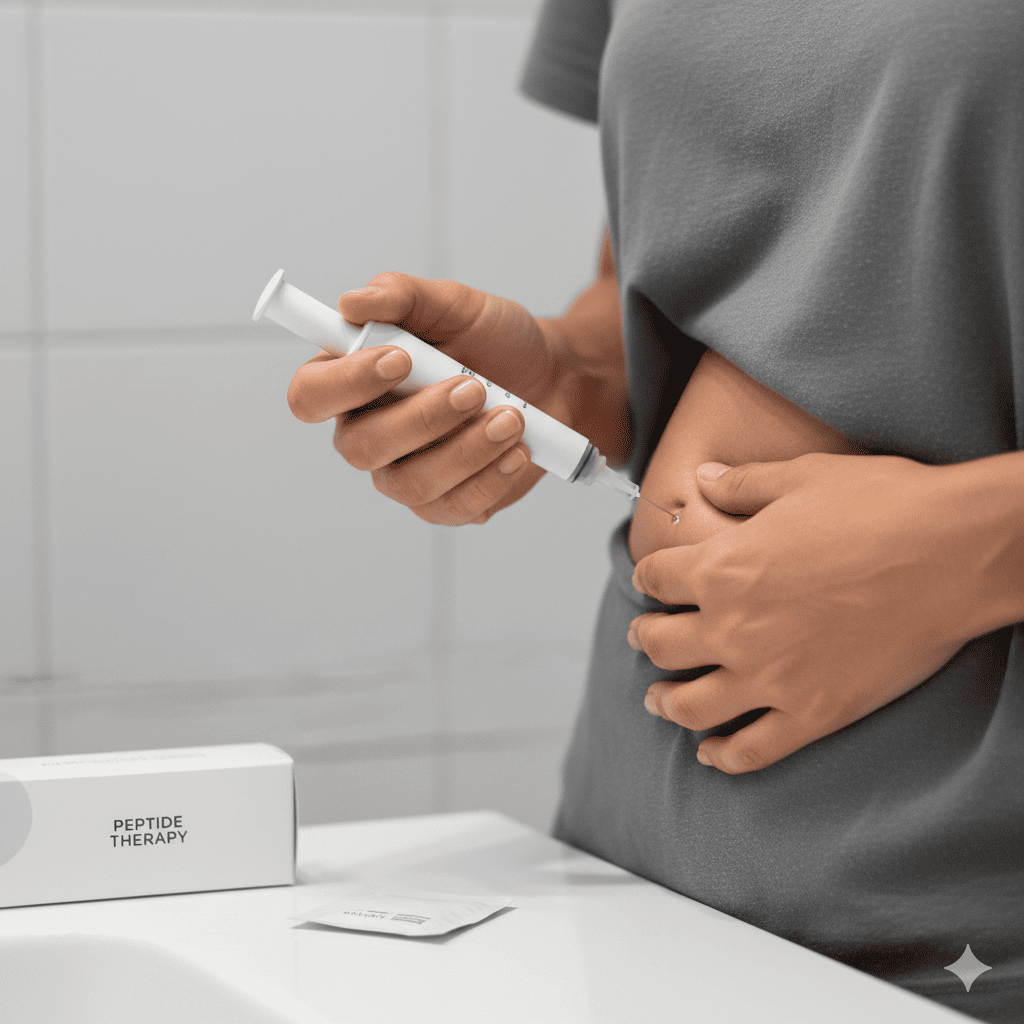
A new contender, called BRP, emerged from Stanford labs in early 2025. In mice and minipigs it:
- Cut food intake by up to 50%
- Delivered 20% weight loss in animal models
- Showed fewer GI side effects than semaglutide (Stanford Medicine)
Human trials are pending, so BRP remains investigational. It’s a reminder that the next semaglutide rival could come from specialty biotechs rather than big pharma.
Non-GLP-1 weight loss drugs
When GLP-1 options aren’t a fit, these FDA-approved alternatives may help:
- Qsymia (phentermine + topiramate)
- 1-year weight loss ≥5% in most users
- Side effects: dry mouth, tingling, potential dependency (GoodRx)
- Contrave (bupropion + naltrexone)
- 40% lose ≥5% body weight
- Side effects: nausea, anxiety, blood pressure rise (GoodRx)
- Orlistat (Alli, Xenical)
- Blocks fat absorption, 5% weight loss in over half of users
- GI effects: oily stools, cramps (GoodRx)
- Phentermine (Adipex-P, Lomaira)
- Appetite suppressant for up to 12 weeks
- Side effects: insomnia, elevated heart rate (GoodRx)
Each carries its own mechanism, pros and cons. Work with your clinician to match one to your health history.
Oral alternatives to Semaglutide for obesity
If needles aren’t your thing – see our guide on oral vs injection – here are emerging pills:
| Drug | Delivery | Weight loss | Trial phase |
|---|---|---|---|
| Rybelsus | Daily oral | Suitable for 0.5 mg diabetes dose only, no CV benefit | Approved GoodRx |
| Orforglipron | Oral | Up to 14.7% at 36 weeks | Phase 2 (Obesity Medicine Association) |
| Retatrutide | Oral | Up to 24.2% at 48 weeks | Phase 3 (Obesity Medicine Association) |
| Oral semaglutide | Oral | 15.1% vs 2.4% placebo at 68 weeks | Phase 3 (OASIS 1) (Obesity Medicine Association) |
While Rybelsus is available now for diabetes, the others are on the horizon. They promise semaglutide-style results without injections – stay tuned for FDA decisions.
We’ve covered a range of semaglutide alternatives, from dual-agonist injections to off-label weight-loss pills. No single option fits everyone, so talk with your healthcare team about efficacy, side effects, and access. If you’ve got experience with any of these choices, share your thoughts below – we’d love to hear which alternative has worked for you.
Frequently Asked Questions About Semaglutide Alternatives
What is the best alternative to semaglutide for weight loss?
Tirzepatide (Mounjaro, Zepbound) is a common alternative discussed alongside semaglutide because it acts on GLP-1 and GIP receptors. The article cites SURMOUNT-1 trial results at 72 weeks showing 22.5% average weight loss for tirzepatide vs 14.9% for semaglutide (Wegovy). The right choice still depends on access, side effects, and your medical history.
Is tirzepatide better than semaglutide?
For average weight loss in the cited trial data, tirzepatide comes out higher (22.5% vs 14.9%). Semaglutide has an edge on proven cardiovascular benefit (heart-event reduction), while tirzepatide’s cardiovascular benefit is still pending further studies. Many people end up choosing based on weight-loss goals, heart risk, and current supply constraints.
Can metformin replace semaglutide?
Metformin does not replace semaglutide’s GLP-1 effect, but it can help with blood sugar control and modest weight loss, especially for prediabetes or insulin resistance. The article also flags that long-term metformin use can reduce vitamin B12 levels, so monitoring and supplementing with cyanocobalamin may be appropriate. Many people use metformin as one part of a broader plan, not as a 1:1 swap.