


Key Takeaways
- Oral semaglutide is a once daily tablet, injectable semaglutide is usually a once weekly shot, the best choice depends on routine, comfort with needles, and side effect tolerance.
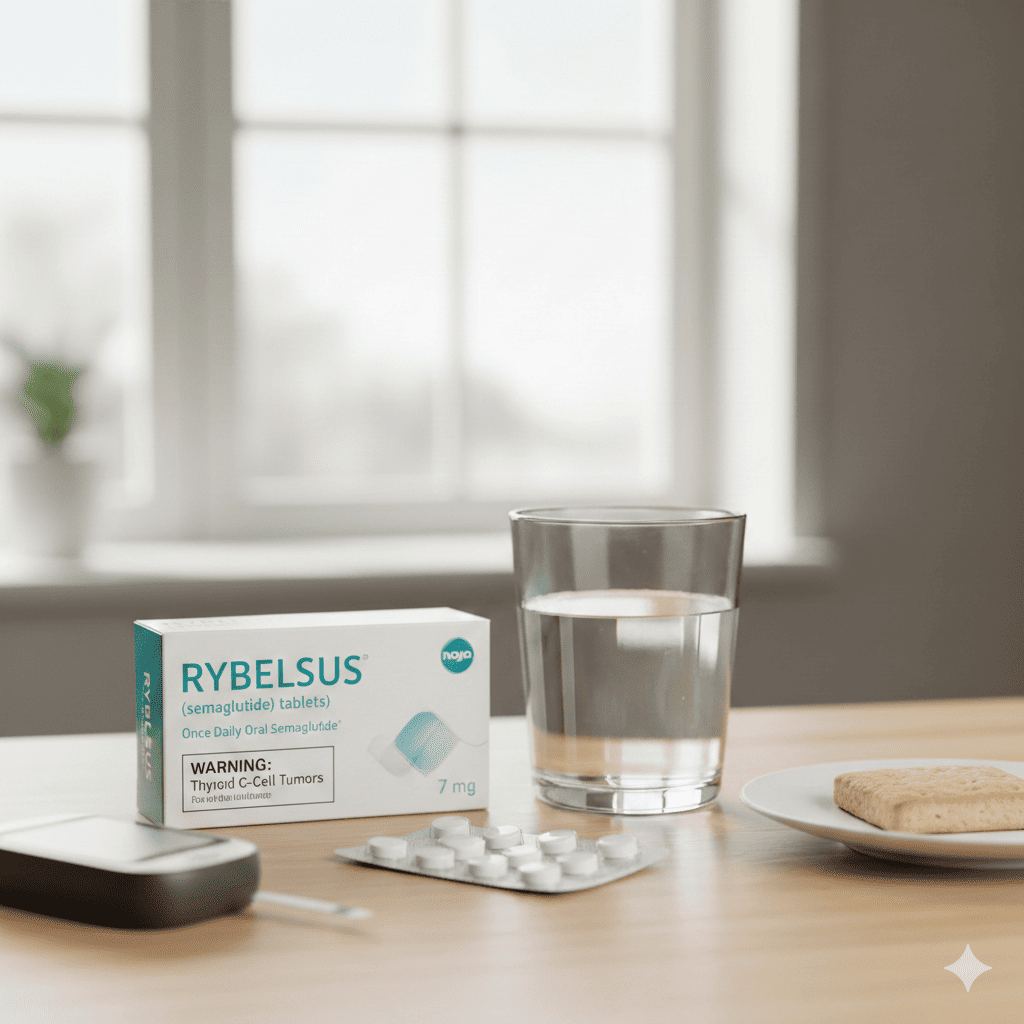
- Oral semaglutide must be taken on an empty stomach with up to 4 ounces of plain water, then wait at least 30 minutes before food, drinks, or other meds to support absorption.
- Injection site reactions (redness, swelling, tenderness, bruising) are usually mild and short lived, rotating sites and using a new needle each time can help.
When we compare oral vs injection options for semaglutide, we weigh convenience, efficacy, side effects, and lifestyle fit. As a GLP-1 therapy, semaglutide helps manage type 2 diabetes and support weight loss, so understanding each formulation is key to choosing what works best for us.
Pros and cons of oral semaglutide
Pros
- No needles or injection-site discomfort, easing anxiety around self-administration
- Daily tablet fits neatly into a morning routine
- Multiple options from popular semaglutide brands let us shop for price and availability
- Potentially lower upfront copays for some plans compared to weekly shots (semaglutide cost)
- Emerging formats such as semaglutide drops may expand choices in the future
Cons
- Must take at least 30 minutes before breakfast, other meds, or drinks to work effectively
- Lower and variable bioavailability due to first-pass metabolism (NCBI Bookshelf)
- Higher rates of nausea, diarrhea, and other gastrointestinal side effects
- Daily dosing can be easy to miss, potentially affecting overall adherence
Injection site reactions: what to expect
| Reaction | Description | Management |
|---|---|---|
| Redness or swelling | Mild redness, warmth or slight swelling | Rotate sites, apply a cool compress for relief |
| Pain or tenderness | Brief soreness at injection spot | Use new needle each time, vary injection angle |
| Bruising | Small bruise if a tiny blood vessel breaks | Avoid massaging area, allow a few days to heal |
Most people find these reactions mild and transient. If redness extends beyond an inch or a lump persists, we check with our healthcare provider.
Is oral semaglutide as effective as injected?
A real-world study of 105 adults with type 2 diabetes compared daily oral semaglutide to weekly injectable semaglutide over six months (Journal of Pharmacy Technology). Key findings:
- HbA1C reduction: oral −1.75%, injectable −1.35%
- Weight loss: oral −3.64 kg, injectable −5.26 kg
- Achieving HbA1C < 7%: 56.5% (oral) vs 54.9% (injection)
- Clinically significant weight loss (≥ 5%): 39.1% vs 54.9%
- Adverse events: 16.7% oral vs 4.9% injectable
Though injectable semaglutide showed numerically greater weight loss and fewer side effects, differences were not statistically significant. Both forms are approved for glycemic control and weight management (semaglutide for diabetes).
Patient preferences: pills vs shots
Patient and physician surveys reveal strong interest in an oral GLP-1 option (NCBI PMC):
- 64–88% of patients on injectable therapies would switch to a once-daily oral pill
- 55% of infrequent injectors prefer an oral option
- 62% of current injection users admit they skip doses frequently
- 70% of endocrinologists said they would start basal insulin sooner if an oral alternative existed
These insights highlight how convenience and needle avoidance can drive adherence.
How to switch from oral to injectable safely
- Discuss goals and any concerns with our healthcare provider
- Review current oral semaglutide dose and confirm no missed pills
- Discontinue oral semaglutide, then begin weekly subcutaneous injections at the recommended starting dose
- Follow official semaglutide dosing guidelines for titration and adjustments
- Monitor blood glucose patterns and note any injection site reactions or GI changes
Close follow-up ensures a smooth transition and maintains glycemic targets.
Why oral semaglutide must be taken on empty stomach

Oral semaglutide uses a special formulation that relies on a fasted, acidic environment to form stable drug–protein complexes in the stomach lining. Taking it with up to 4 ounces of plain water at least 30 minutes before any food, drink, or other medications minimizes interference from fats, other compounds, and pH shifts. This fasting window maximizes absorption and keeps blood levels consistent, compensating for its inherently low bioavailability (NCBI Bookshelf).
Weekly injections vs daily pills: compliance & results
| Factor | Weekly injection | Daily pill |
|---|---|---|
| Dosing frequency | Once a week | Once a day |
| Administration timing | Flexible timing | ≥ 30 minutes before first meal |
| Adherence barrier | Needle anxiety | Strict fasting window |
| Typical outcomes | Slightly greater weight loss | Comparable HbA1C reduction |
| Side effect profile | Lower GI side effects | Higher rates of nausea, diarrhea |
Ultimately, our choice hinges on routine, tolerance for injections, and how we balance convenience with clinical goals. Both weekly shots and daily tablets deliver semaglutide’s proven benefits, so we work with our provider to find the right path for us.
Frequently Asked Questions About Oral vs Injectable Semaglutide
Is oral semaglutide as effective as injected semaglutide?
In a real world study of 105 adults with type 2 diabetes followed for six months, both forms improved HbA1C and supported weight loss. HbA1C reduction was similar (oral −1.75% vs injectable −1.35%), while weight loss was higher with injectable semaglutide (−5.26 kg vs −3.64 kg). The differences were not statistically significant in that study.
Why does oral semaglutide need to be taken on an empty stomach?
Oral semaglutide has low and variable absorption, so timing matters. Taking it with up to 4 ounces of plain water at least 30 minutes before any food, drink, or other medications helps it absorb better by reducing interference from other substances and stomach pH changes.
Which is easier to stick with, a daily pill or a weekly injection?
It depends on your routine. Weekly injections reduce how often you dose, but some people avoid shots due to needle anxiety. Daily pills avoid needles, but the strict fasting window and daily schedule can lead to missed doses.