


Key Takeaways
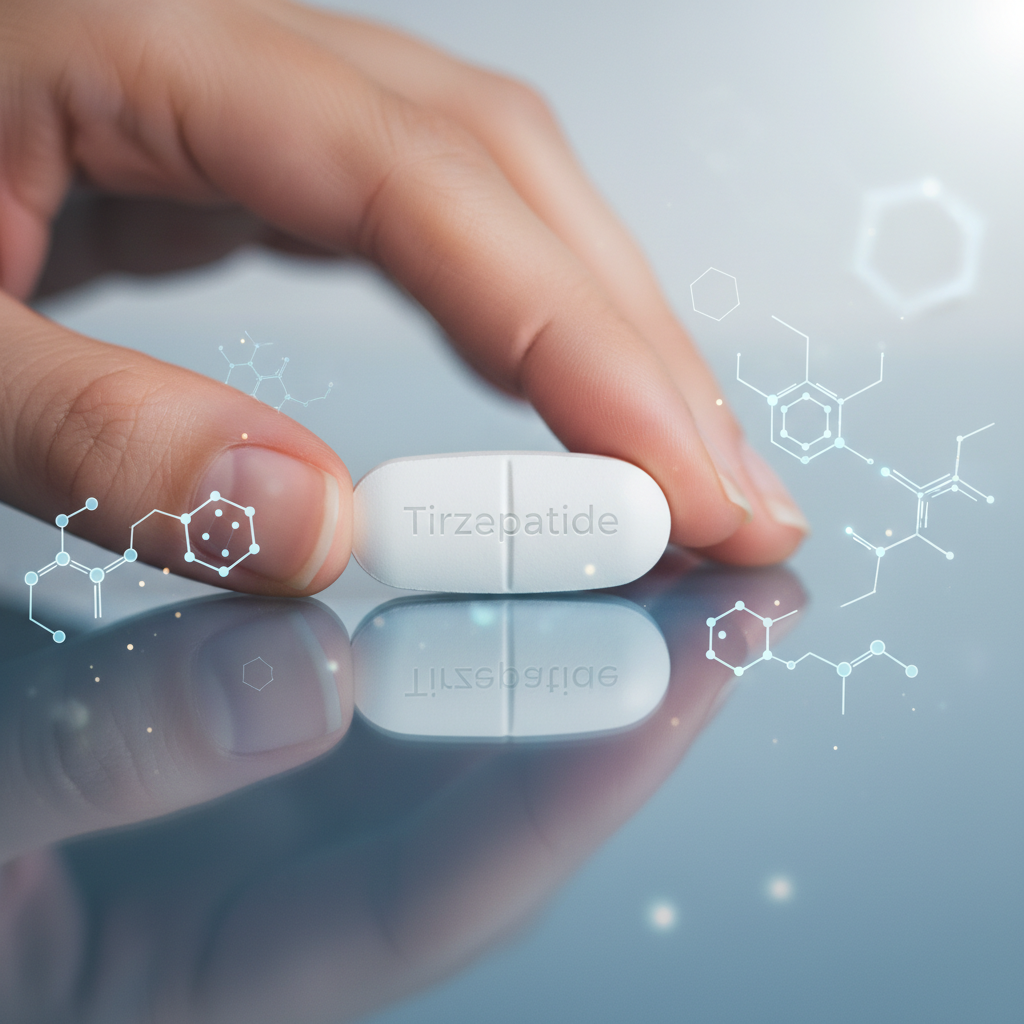
• Oral tirzepatide usually refers to compounded capsule or tablet formulations prepared by specialized pharmacies rather than an officially approved commercial pill.
• Because tirzepatide is naturally designed for injection, oral versions may have less predictable absorption and effectiveness compared with injectable forms.
• People interested in oral tirzepatide should pay close attention to pharmacy quality, dosing consistency, and medical supervision.
What is compounded oral tirzepatide
When we talk about oral tirzepatide, we’re referring to pills that compounding pharmacies create by combining active tirzepatide with filler agents to form a swallowable tablet. Unlike the injectable versions of tirzepatide, these compounded formulations aren’t FDA-approved and rely on each pharmacy’s individual processes for dosage consistency and purity. The goal is to mimic the dual action of GLP-1 and GIP receptor agonism that makes tirzepatide effective in managing blood sugar and supporting weight loss.
Despite ongoing research into an official oral form, no pharmaceutical company has yet released a commercially available tablet; what patients find today are custom-made scripts based on clinician orders rather than large-scale clinical trials.
Differences between oral and injectable
Injectable tirzepatide, sold under tirzepatide brand names like Mounjaro and Zepbound, comes in a weekly prefilled pen or vial that patients administer subcutaneously. By contrast, compounded oral tirzepatide is a daily pill taken on an empty stomach with water, similar in principle to oral GLP-1s such as semaglutide but without standardized manufacturing protocols (24HRDOC).
From a convenience perspective, many of us are drawn to a simple tablet over an injection. At the same time, injections offer predictable absorption and dosing, backed by large phase III trials that established safety, efficacy, and guidelines for tirzepatide dosing.
Oral and injectable routes both aim to reduce appetite and regulate glucose, yet the patient experience can differ greatly.
Bioavailability concerns with oral forms
One of the biggest hurdles for any oral peptide like tirzepatide is surviving the harsh environment of the gastrointestinal tract. Stomach acid and digestive enzymes can degrade the molecule before it ever reaches the bloodstream, forcing compounders to use protective excipients or enteric coatings.
Even with these strategies, compounded oral tirzepatide may achieve only a fraction of the systemic exposure provided by weekly injections. To put this in perspective, oral semaglutide requires roughly 14 times the milligram dose of its injectable counterpart to approach similar blood levels. We don’t have robust data showing that compounded versions of oral tirzepatide can overcome this barrier consistently, so each batch might offer variable absorption.
Because of these challenges, some practitioners split higher-strength capsules or recommend alternating dosing schedules, but such approaches drift further from the strict regimens proven effective in clinical trials.
Risks and regulations
Compounded drugs operate under state pharmacy board oversight, not the FDA’s premarket approval process. This means quality control, potency, and sterility can vary significantly from one compounding pharmacy to another.
In fact, as of the latest update there is no FDA-approved oral form of tirzepatide; all officially sanctioned versions remain injectable (Women’s Wellness of Mississippi).
Patients should also consider that adverse effects – ranging from nausea and vomiting to more serious risks such as pancreatitis or gallbladder disease – haven’t been systematically studied in pill form. We encourage anyone exploring this route to ask their provider about the pharmacy’s credentials, batch testing, and whether independent labs verify each lot’s strength.
Cost comparison: oral vs injectable version
Cost plays a pivotal role when we choose between injectable tirzepatide and a compounded oral alternative. Many insurance plans cover the branded injections under medical or pharmacy benefits, although copays and prior authorizations can still run hundreds of dollars per month. Compounded pills typically fall into a cash-pay category, with prices varying by pharmacy and prescription size.
| Formulation | Administration | Approximate monthly cost | FDA approval |
|---|---|---|---|
| Injectable tirzepatide (Mounjaro, Zepbound) | Weekly subcutaneous pen or vial | $800–$1,100 | Approved (Mayo Clinic) |
| Compounded oral tirzepatide | Daily tablet | $400–$600 | Not approved (Women’s Wellness of Mississippi) |
| Rapid-dissolve oral tablet (Seattle Plastic Surgery) | Under-tongue tablet, daily | $549 | Not approved (Seattle Plastic Surgery) |
Keep in mind that injections may qualify for manufacturer coupons or patient assistance programs, which can significantly lower out-of-pocket spending.
Current availability through compounding pharmacies
Several compounding pharmacies across the U.S. now offer oral tirzepatide at varying strengths, often requiring a valid prescription and consultation. Telehealth services like Nalena guide patients through an online history and provider review before shipping compounded pills to a local pharmacy or directly to home.
Before we place an order, it’s wise to verify the pharmacy’s state board license, inquire about third-party testing protocols, and compare turnaround times for each batch.
Patient experiences
Since oral tirzepatide is still an emerging option, patient feedback tends to come from small groups or online forums rather than large studies. Many share relief at avoiding needles, with several reporting initial weight loss of 5–10 pounds within two to three months. At the same time, some individuals note unpredictable swings in appetite suppression, requiring dose tweaks or supplemental injections.
Gastrointestinal discomfort – nausea, diarrhea, or mild abdominal pain – remains a common side effect, often resolving after the first few weeks of dosing. Others point out that pill adherence is easier to remember than tracking injection schedules, although the once-daily requirement feels less flexible than a weekly shot.
Ultimately, these anecdotal accounts underscore the trade-off between convenience and clinical certainty.
FAQ
At present, tirzepatide is primarily approved as an injectable medication, while oral versions are generally compounded formulations.
Injection allows the medication to enter the body more reliably, while oral forms must pass through digestion, which can reduce absorption.
Some users report similar benefits, but effectiveness can vary more because compounded oral formulations are less standardized.