


Key Takeaways
- Brand-name GLP-1 drugs usually cost about $850 to $1,400 per month in the U.S. when paid in cash, and prices vary by pharmacy and dose.
- Medicare Part D often covers GLP-1 drugs that treat type 2 diabetes, but it does not cover medications used only for weight loss like Wegovy or Saxenda.
- Compounded semaglutide and tirzepatide often cost about $200 to $600 per month, which can mean savings of 60% to 85% compared with brand-name versions.
- Patients without good coverage can combine options like price comparison, compounded GLP-1, assistance programs, and payment plans to reduce out-of-pocket costs.
Out-of-pocket GLP-1 prices
Getting familiar with the cash prices is like finding the golden ticket for those of us on a mission. Prices can swing wildly between pharmacies, so playing the comparison game is key to scoring the best deal for our needs and wallets.
Here’s a cheat sheet of ballpark cash prices for popular GLP-1 meds at different pharmacy big names.
| Medication | Brand Names | Average Monthly Cost (USD) | Notes |
|---|---|---|---|
| Semaglutide | Ozempic, Wegovy | $950 – $1,400 | Wegovy (for weight loss) is often more expensive than Ozempic |
| Tirzepatide | Mounjaro, Zepbound | $1,050 – $1,350 | Zepbound is for weight loss, Mounjaro for type 2 diabetes |
| Liraglutide | Victoza, Saxenda | $950 – $1,200 | Saxenda is weight loss version; Victoza for type 2 diabetes |
| Dulaglutide | Trulicity | $850 – $1,200 | Often slightly cheaper than others, but varies by dose |
Price Considerations
What we actually fork over cash for can depend on a mishmash of elements: where exactly we’re buying, each pharmacy’s way of setting prices, and any special deals they might wave our way. You know how sometimes stores throw in discounts for club members or have sale days? Same deal here.
It’s a smart move to check out more than one pharmacy before giving up the hard-earned cash. And if you’re pondering about alternatives, peek at compounded GLP-1 which might be easier on the bank account.
Medicare and Coverage
Getting the scoop on how Medicare handles these can keep our wallets in check. Medicare does cover some injectable GLP-1 meds, mainly for folks with Type 2 diabetes. But, the details can change depending on our specific plan.
Eligibility and Coverage Details
Medicare Part D usually picks up the tab for type 2 diabetes under the prescription drug perk. It’s smart for us to eyeball our personal plan and see if our specific choice makes the cut.
| Medication | Brand Names | Covered by Medicare? | Typical Coverage Conditions |
|---|---|---|---|
| Semaglutide | Ozempic (diabetes) | ✅ Often covered | Covered for type 2 diabetes when part of a treatment plan. Prior authorization may apply. |
| Wegovy (weight loss) | ❌ Not covered | Not covered because Medicare does not cover drugs for weight loss. | |
| Tirzepatide | Mounjaro (diabetes) | ✅ Often covered | Covered for type 2 diabetes. May require step therapy or prior auth. |
| Zepbound (weight loss) | ✅ Often covered | Covered for moderate-to-severe obstructive sleep apnea – however, not covered for weight loss | |
| Liraglutide | Victoza (diabetes) | ✅ Often covered | Covered for type 2 diabetes with prior authorization or step therapy. |
| Saxenda (weight loss) | ❌ Not covered | Not covered – intended for obesity/weight loss. | |
| Dulaglutide | Trulicity (diabetes) | ✅ Often covered | Covered for type 2 diabetes, sometimes requires prior authorization. |
Key Medicare Notes:
Medicare Part D may cover GLP-1 drugs only for approved indications, typically type 2 diabetes.
Weight loss medications (Wegovy, Saxenda, Zepbound) are excluded from Medicare coverage for weight loss due to federal restrictions.
Coverage often requires:
A diagnosis of type 2 diabetes or OSA (Zepbound)
Trial/failure of metformin or other drugs first (step therapy)
Physician documentation for prior authorization
Out-of-Pocket Costs
Even with Medicare on our side, we might still have to fish in our pockets. That’s stuff like deductibles, copays, and coinsurance. What we fork out can swing depending on our plan, the med, and if it’s part of a formulary tier. Usually, if it’s a pricier med, we’ll feel it more in our wallets.
| Cost Breakdown | Average Out-of-Pocket Cost |
|---|---|
| Deductible | $250 – $500 |
| Copayment (per month) | $30 – $150 |
| Coinsurance (after deductible) | 25% – 50% |
Steps to Maximize Benefits
To squeeze the most out of our Medicare, here are a few things we can do:
- Peep Plan Specs: Dive into our Medicare Part D plan’s drug list or hit up customer service to see if our drug is on it.
- Chat with the Doc: Talk it out with our healthcare provider to make sure we’re getting meds that our plan actually covers.
- Look at Other Choices: If our coverage ain’t cutting it, check out options like compounded versions.
Copay Cards and Manufacturer Assistance
Who knew tackling the costs of medications could feel like a puzzle? Luckily, there are ways to cut down those bills. Drug companies dish out copay cards and help programs so we can fork out less for our meds. However, these copay cards are excluded on state-funded programs such as Medicare or Medicaid.
Copay Cards
Think of copay cards like discount coupons from pharma companies, slashing what we pay at the counter. Depending on the drug and our insurance, these cards can lighten the load by $25 to $150 each month or even more.
Before we whip out our wallets, it’s smart to ask our doctor or the pharmacist if a copay card could work its magic on our chosen med.
Manufacturer Assistance Programs
Aside from copay cards, companies also run assistance gigs for folks strapped for cash or lacking insurance. While the sign-up involves showing income papers and filling out forms, it can be worth it.
Perks of these gigs? Let’s lay it out:
- Free or bargain-rate pills
- Hand-holding through the insurance maze
- Extra tools and tips for shedding pounds
Wonder if those programs have our name written all over them? Check the drugmaker’s website or have a chat with your healthcare guru.
Eligibility Requirements
Dipping into copay cards and assistance clubs means meeting a few checkpoints. Got to check if we’re within the right income band, our insurance status, or if location plays a role.
Curious about more, like how they work or the good they do? Setting our sights on these aids might just turn our weight-shedding venture less wallet-draining.
Mail-order Pricing Models
Mail-order pharmacies could be our answer for saving money and hassle. They make getting prescriptions easy and might even save us some cash. Let’s break down how these prices work.
Pricing Models Overview
Mail-order pharmacies have their own way of pricing things, and it can change depending on where you are, what meds you’re getting, and if you have insurance. We usually see these pricing setups:
- Insurance Pricing: If we’ve got insurance, the bill for GLP-1 meds through mail-order might be different from your regular pharmacy. Sometimes, the copay is cheaper if we go the mail-order route, so it’s worth checking out.
- Cash Pricing: No insurance? No worries. Mail-order pharmacies can offer cash prices that might be friendlier on the wallet than what we’d pay at the local pharmacy.
- Membership Models: Some services have membership plans that can drop prices even more. These often come with perks – cheaper prices or even free shipping if we order often.
Important Considerations
Before we go all-in with mail-order, here’s what to keep in mind:
- Delivery Time: Timing could be different based on the pharmacy, so we should know how long it’ll take to get our meds.
- Safety and Regulations: Make sure the pharmacy we pick is trustworthy and sticks to safety rules to avoid any mishaps.
- Convenience: For those of us busy folks, having meds show up at the door can be a real time-saver.
Knowing the ropes with mail-order pricing can help us decide what’s best for our medication needs.
Compounded GLP-1 for the Rescue
Compounded GLP-1 medications offer a more affordable alternative to their branded counterparts, making them increasingly attractive to patients without insurance or those seeking weight loss treatments not covered by Medicare. While branded versions like Ozempic, Wegovy, and Mounjaro can cost over \$1,000 per month, compounded semaglutide or tirzepatide can often be obtained for \$200–\$600.
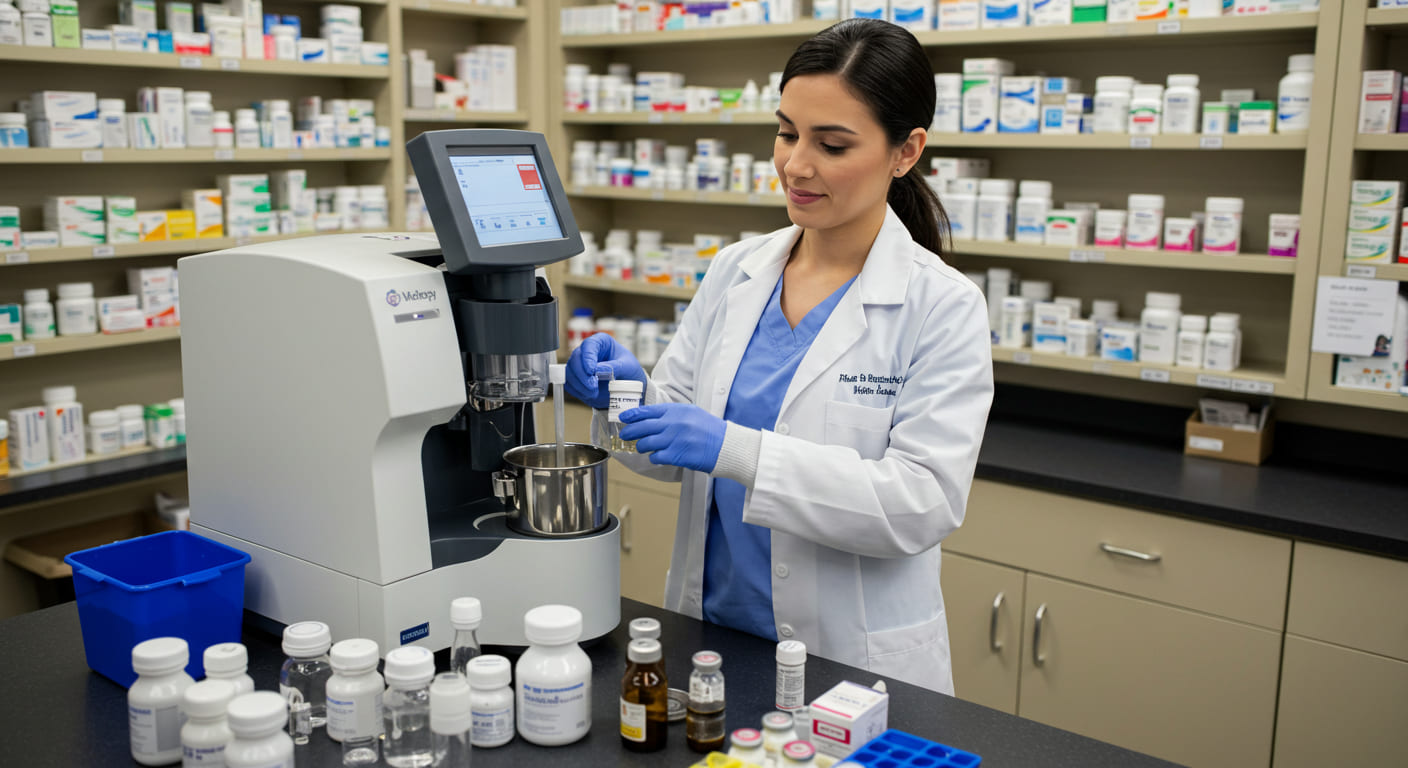
This significant price difference makes long-term use more accessible for many people, especially those paying out of pocket. Compounding pharmacies are able to create customized formulations using the base ingredients (such as semaglutide base rather than the patented salt form), allowing for lower production costs and more flexible dosing.
Beyond affordability, compounded GLP-1s sometimes offer additional convenience or benefits, such as the inclusion of vitamin B12 to reduce nausea, or tailored dosing protocols to minimize side effects. However, it’s important to note that compounded medications are not FDA-approved, and quality can vary depending on the pharmacy.
Despite this, for patients who have been priced out of traditional GLP-1 therapy or who are seeking off-label use for weight management, compounded versions present a viable and cost-effective option – provided they come from reputable sources that adhere to sterile compounding standards.
Compounded Average Prices
| Compounded Drug | Based On (Brand) | Average Monthly Cost (USD) | Notes |
|---|---|---|---|
| Compounded Semaglutide | Ozempic / Wegovy | $200 – $500 | Often sold as injectable weekly doses; price varies by dose and pharmacy |
| Compounded Tirzepatide | Mounjaro / Zepbound | $300 – $600 | Less widely available than semaglutide; higher demand = higher price |
| Compounded Liraglutide | Saxenda / Victoza | $250 – $450 | Typically compounded as daily injections |
| Compounded Dulaglutide | Trulicity | ❌ Rare / Not commonly compounded | Dulaglutide is hard to replicate due to its complex formulation |
How much can you save?
Here’s a table comparing the average monthly cost of brand-name vs compounded GLP-1 medications in the U.S., as of mid-2025:
| Drug Name | Brand-Name Version (Monthly) | Compounded Version (Monthly) | Typical Savings per Month | Notes |
|---|---|---|---|---|
| Semaglutide | $950 – $1,400 | $200 – $500 | $750 – $1,200 | Most widely compounded; price depends on dose and source |
| Tirzepatide | $1,050 – $1,350 | $300 – $600 | $750 – $1,000 | Gaining popularity in compound form but still harder to source |
| Liraglutide | $950 – $1,200 | $250 – $450 | $700 – $950 | Daily injectable; less demand compared to semaglutide |
| Dulaglutide | $850 – $1,200 | ❌ Rarely available | – | Not commonly compounded due to structural complexity |
Key Takeaways:
- Savings range from 60% to 85% when using compounded versions, especially for semaglutide and tirzepatide.
- Compounded options are cash-pay only and are typically not covered by insurance or Medicare.
- Always verify that the compounding pharmacy is 503A/503B registered and compliant with USP <797> sterile compounding standards.
Affordability Tips for Uninsured
Trying to shed some pounds with GLP-1 meds but uncertain how to pay for ’em without insurance? Let’s look into a few tricks to get these meds without breaking the bank!
Research and Compare Prices
First things first, check out and compare prices from different pharmacies. Use apps and sites that let us do this easily.
Go Generic When Possible
If available, look at generic versions of GLP-1 meds. They can work the same magic without the higher cost.
Check Out Compounding Pharmacies
Local compounding pharmacies might whip up your GLP-1 meds in custom forms and possibly at a bargain compared to big brands.
Use Patient Assistance Programs
Pharma companies often have programs to help folks afford their meds. Apply through their websites and you might hit a discount jackpot.
Look into Online Pharmacies
Think about reputable online pharmacies for possibly better prices than a local store. Just make sure they’re legit, licensed, and want a prescription.
Ask About Payment Plans
Some pharmacies or doctors might let us pay in bits instead of all at once. Chat with them to see if this deal is on the table.
Consider Microdosing
Microdosing might cut the costs by using smaller doses. But chat with your doc first to make sure it’s safe and works right. Read more in our microdosing article.
Tap into Community Resources
Sometimes, local health centers could have programs to help lower drug costs. Call ’em up to find out how to score GLP-1 meds cheaper.
Run through these tips, and we just might snag those meds without burning a hole in our pockets.
Frequently Asked Questions About GLP-1 Cost and Coverage
GLP-1 medications usually cost several hundred to over one thousand dollars each month when paid in cash. Semaglutide (Ozempic, Wegovy) and liraglutide (Victoza, Saxenda) often run about $950 to $1,400 per month. Tirzepatide (Mounjaro, Zepbound) often costs about $1,050 to $1,350 per month. Dulaglutide (Trulicity) is sometimes a bit lower, around $850 to $1,200 per month. Prices change by pharmacy, location, and dose, so checking multiple pharmacies is important.
Federal rules prevent Medicare from covering medications that are used only for weight loss. Because Wegovy, Saxenda, and some uses of Zepbound are labeled and prescribed for weight management or obesity, they fall under this exclusion. Even if the active ingredient is the same as in a diabetes version, Medicare coverage depends on the approved indication and the way the drug is classified, not just the molecule.
