



Key Takeaways
- GLP-1 compounding creates custom medications based on a doctor’s prescription, tailored to a patient’s health history, goals, and tolerance.
- The compounding process follows clear steps, from patient evaluation and ingredient selection to sterile mixing, quality checks, safe packaging, and patient instructions.
- Strict sterility and safety protocols, including clean rooms, PPE, equipment sterilization, and batch quality checks, protect patients from contamination and dosing errors.
- Doctors and pharmacists work together to choose the right GLP-1 drug, adjust dosing over time, and add extras like vitamin B when needed to support energy, mood, and appetite control.
Steps Involved in GLP-1 Compounding
When it comes to crafting custom GLP-1 medications, keeping things safe and effective is the name of the game. Let’s break down the main steps in putting together these weight loss aids so you can see the full picture.
Step 1: Patient Check-Up
First things first, we’ve got to get a handle on what the patient really needs and check their medical history. This helps us figure out if a GLP-1 compound is the right move for their weight loss plans and overall health. It’s like a detective work where health pros dig into things like weight struggles, eating habits, and how active someone usually is.
Step 2: Getting the Green Light
Once we know what’s up with the patient, a healthcare provider steps in to write up a prescription. This part is super important because it spells out the number of components like dosage, how often to take it, and any extra stuff we might need to toss in. Accuracy here keeps us from messing up or making things harder than they need to be.
Step 3: Picking Good Stuff
Next up, we need to pick out the right active ingredients and extra bits (we call these excipients) to whip up the compound. The main part that does the work is chosen based on the prescription, while the extras make sure everything stays steady and works well.
| Type of Stuff | Examples |
|---|---|
| Active Players | Semaglutide, Liraglutide |
| Extras | Water, keeping agents |
Step 4: Making the Mix
Now we dive into the actual making. The pharmacist sets the stage in a squeaky clean environment, with all the gear sanitized. The ingredients are carefully measured and mixed just right, sticking to the prescription, to make sure every dose is spot-on.
Step 5: Checking It Twice
With our compound ready, we give it a thorough once-over. We double check dosages and make sure the blend is just how it should be. Quality is king, and we’re making sure everything is up to snuff.
Step 6: Packing It Up
Once the mix checks out, we pack it into containers that keep it fresh and safe. Clear labels go on each one with must-know details like how to take it, storage tips, and when it’s no good anymore.
Step 7: Handing It Over
Finally, it’s time to get the GLP-1 medication into the hands of folks who need it. We give clear-as-day instructions on using it and what to watch for side effects-wise.
Sterility and Safety Protocols
Look, when we’re talking GLP-1 compounding, we’re not playing around. Keeping things super clean and safe isn’t just a goal – it’s a must to keep everybody fit and fine. We’ve got our game face on with some serious rules to dodge contamination and make sure our meds do what they’re supposed to do.
Key Sterility Protocols
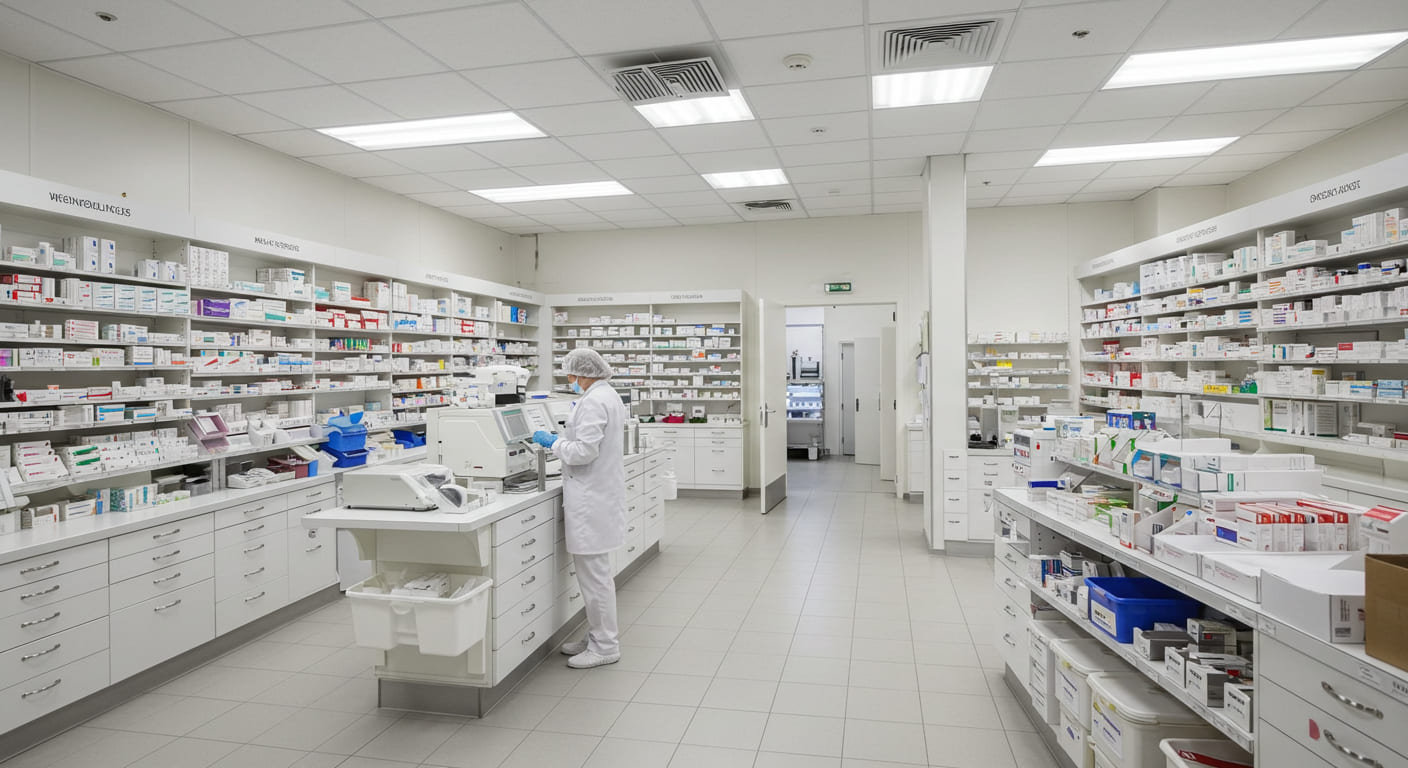
- Clean Room Standards: We whip up our stuff in clean rooms that don’t let any nasty stuff stick around. The air’s filtered like crazy, and everything gets scrubbed regularly to keep things as pure as they can be.
- Personal Protective Equipment (PPE): Everyone in the lab suits up with gloves, masks, and gowns. It’s like being a medical ninja, protecting our concoctions from any unwanted germs.
- Sterilization Techniques: Before we even think about mixing things up, all our gear goes through a heavy-duty cleaning. We use stuff like autoclaves or chemical sprays to make sure nothing’s living on our tools.
Safety Protocols
| Protocol | Description |
|---|---|
| Regular Training | Our team doesn’t just wing it – they keep learning the best practices and safety drills. |
| Quality Control Checks | We check every batch to make sure it checks out and does the job. |
| Monitoring Environmental Conditions | We keep an eye on the air, how muggy it is, and the heat – to keep the lab just right for mixing. |
| Patient Education | We chat with patients about how to handle their meds – so they stay safe and work properly. |
By sticking to these rules, we’re all about ensuring our GLP-1 compounds are done right, living up to the big expectations in the health game. Knowing this stuff can ease the minds of folks eyeing compounded GLP-1 as part of their weight loss plan. To dig deeper into the benefits, hop over to our other article.
Doctor and pharmacist collaboration
Teaming up – doctors and pharmacists make a dynamite duo when it comes to GLP-1 compounding. It’s this team effort that ensures medications are made safely and are spot-on for what each patient needs. By pooling their smarts, they can fine-tune treatments to cover all the bases, like sorting out dosages, keeping everything safe, and tailoring meds just right.
Role of the Doctor
Doctors are the big guns here, figuring out if GLP-1 medications are the right fit for their patients. They go all-in with checking up on medical histories, current health vibes, and any weight loss plans. By digging in deep, they decide if compounding is the way to go and lay down the deets for what the meds should look like.
Here’s a quick snapshot of what doctors handle:
| Doctor’s Tasks | What They Do |
|---|---|
| Checking Up | Looks into health history and goals |
| Writing Scripts | Orders the custom GLP-1 mix |
| Progressing | Keeps an eye on results and tweaks things if needed |
Role of the Pharmacist
Pharmacists are the ace partners here, taking the reins on making the meds just right. Using their know-how, they follow the doc’s game plan to a T, whipping up the medication and sticking to strict safety standards in a spotless setting.
A rundown of what pharmacists tackle:
| Pharmacist’s Tasks | What They Do |
|---|---|
| Making the Meds | Mixes the GLP-1 as instructed |
| Safety Check | Makes sure everything’s clean and safe |
| Delivery | Orders the delivery door-to-door or available for pick-up |
This doctor-pharmacist partnership is the secret sauce for nailing GLP-1 compounding.
How dosing is customized in compounds
Tweaking the dosage of GLP-1 meds is crucial for getting the best outcomes in our weight loss trek. This custom approach takes into account a few main things that help our compounding specialists prep these meds.
Factors Influencing Dosage Customization
- Individual Patient Factors
- Your health, weight, and how you react to treatment are big in figuring out the right dose for you.
- They look at your medical history, factoring in stuff like diabetes or other conditions that could influence how much you need.
- Clinical Goals
- What do you want to achieve with the treatment? Whether it’s losing a certain amount of weight or managing glucose, these goals steer the recipe.
- They set practical goals and timelines to get the dosage just right for your specific plans.
- Patient Tolerance
- Keeping an eye on how we handle the meds is key. They’ll tweak things if side effects pop up.
- Usually, they kick off with a smaller dose, giving us time to get used to it before bumping it up as needed.
Collaboration with Healthcare Professionals
To nail the right dose, it takes teamwork between our doctor and pharmacist. We need to stay involved, chatting about health goals and any changes we notice while on treatment. This teamwork ensures we get the best-fitting compound for our needs.
Why vitamin-B is sometimes added
Why? Well, it’s got some pretty handy perks that boost what GLP-1 medications do, making overall health a tad easier to manage.
Benefits of Vitamin B in Compounding
Vitamin B is like a personal assistant for your body, helping with things like energy and keeping those nerves firing on all cylinders. Let’s break down why it is a sweet deal:
| Benefit | What’s the Point? |
|---|---|
| Energy Boost | Vitamin B turns the grub we munch on into energy, which is pretty useful when you’re trying to shed some pounds. |
| Appetite Tamer | Some B vitamins might help you not crave that extra slice of pie, keeping you on track with goals. |
| Happy Vibes | It plays a part in keeping your mood sunny, which is key when you’re dealing with lifestyle changes. |
Types of Vitamin B Added
Not all B vitamins are the same – each has its own gig. Here’s a quick lowdown on the B vitamins you might find in the mix:
| Vitamin | Does What? |
|---|---|
| B1 (Thiamine) | Keeps metabolism revved up and transforms nutrients into energy. |
| B3 (Niacin) | Fuels energy production and cares for your skin and nerves. |
| B6 (Pyridoxine) | Handles protein metabolism and keeps your brain ticking. |
| B12 (Cobalamin) | Necessary for making red blood cells and maintaining nerve health. |
State laws governing GLP-1 compounding
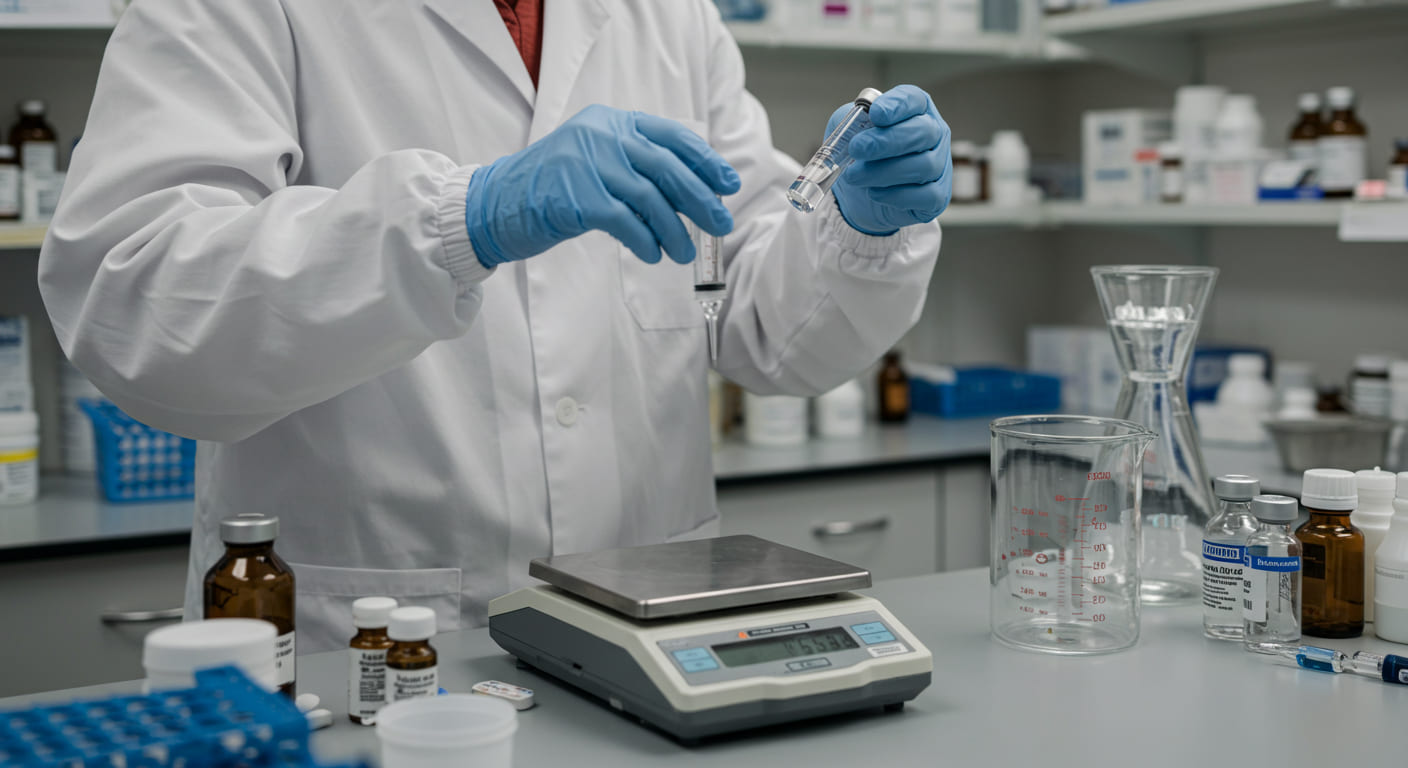
Knowing the state laws is crucial to keeping everything safe and by the book. Every state has its own rules about how medicines get compounded. These rules are meant to keep us healthy and make sure the meds we take are top-notch.
Overview of State Regulations
State regs differ a lot when it comes to what compounding pharmacies have to do. Here’s some stuff we might run across:
| Regulation Aspect | Description |
|---|---|
| Licensing | Compounding pharmacies must have a license and follow state rules. |
| Inspections | Regular inspections happen to make sure places follow safety and cleaning rules. |
| Record Keeping | Pharmacies gotta keep detailed notes about how they compound, what goes in, and who’s it for. |
| Patient Safety | There’s often a must that custom meds meet certain safety and effectiveness levels. |
Collaborative Practices
In a bunch of places, docs and pharmacists have to team up for GLP-1 compounding. This partnership makes sure that the meds are personalized for each person while sticking to state guidelines. Doctors typically need to write a legit prescription that covers everything about the dose and mix to match what the patient needs best.
Frequently Asked Questions About GLP-1 Compounding
GLP-1 compounding starts with a full patient check-up, including medical history, current health, and weight loss goals. If GLP-1 is appropriate, the doctor writes a detailed prescription that lists the drug, dose, frequency, and any added ingredients. A compounding pharmacist then selects the right active GLP-1 medication, such as semaglutide or liraglutide, plus supportive excipients like water and stabilizers. In a sterile, controlled environment, the pharmacist measures, mixes, and prepares the medication to match the prescription. The finished compound goes through quality checks, is packaged in the right containers, labeled with clear instructions and storage details, then dispensed with counseling on use and side effects.
People turn to compounded GLP-1 medications when they need more flexibility than off-the-shelf products provide. Compounded GLP-1 can be adjusted for dose strength, dosing schedule, and added ingredients to better match health history, treatment goals, and how the body reacts over time. This is helpful for patients who need slower dose increases, who have specific side effect concerns, or who benefit from extra support like vitamin B. The doctor and pharmacist work together to fine tune the compound so it is as practical and tolerable as possible for each patient.
