



Key Takeaways
- Ozempic and Wegovy both contain semaglutide, but Ozempic is FDA-approved for type 2 diabetes (and to reduce cardiovascular risk in certain adults), while Wegovy is FDA-approved for chronic weight management (including ages 12 and up) and has different dosing strengths.
- Rybelsus is the oral semaglutide tablet for type 2 diabetes, taken once daily, and it has much lower bioavailability than injectable semaglutide, so it must be taken under specific fasting conditions.
- FDA-approved products (Ozempic, Wegovy, Rybelsus) are reviewed for safety, purity, and dosing consistency, while compounded semaglutide is not FDA-approved and can vary in quality, concentration, and sterility.
We’re often asked how semaglutide brands stack up against each other and against compounded versions. In this article, we break down the differences between Ozempic, Wegovy, Rybelsus, and pharmacy-made semaglutide formulations. Whether you’re curious about semaglutide brands, semaglutide cost, or safety concerns with compounded products, we’ve gathered the key facts and expert insights you need.
Differences between Wegovy and Ozempic
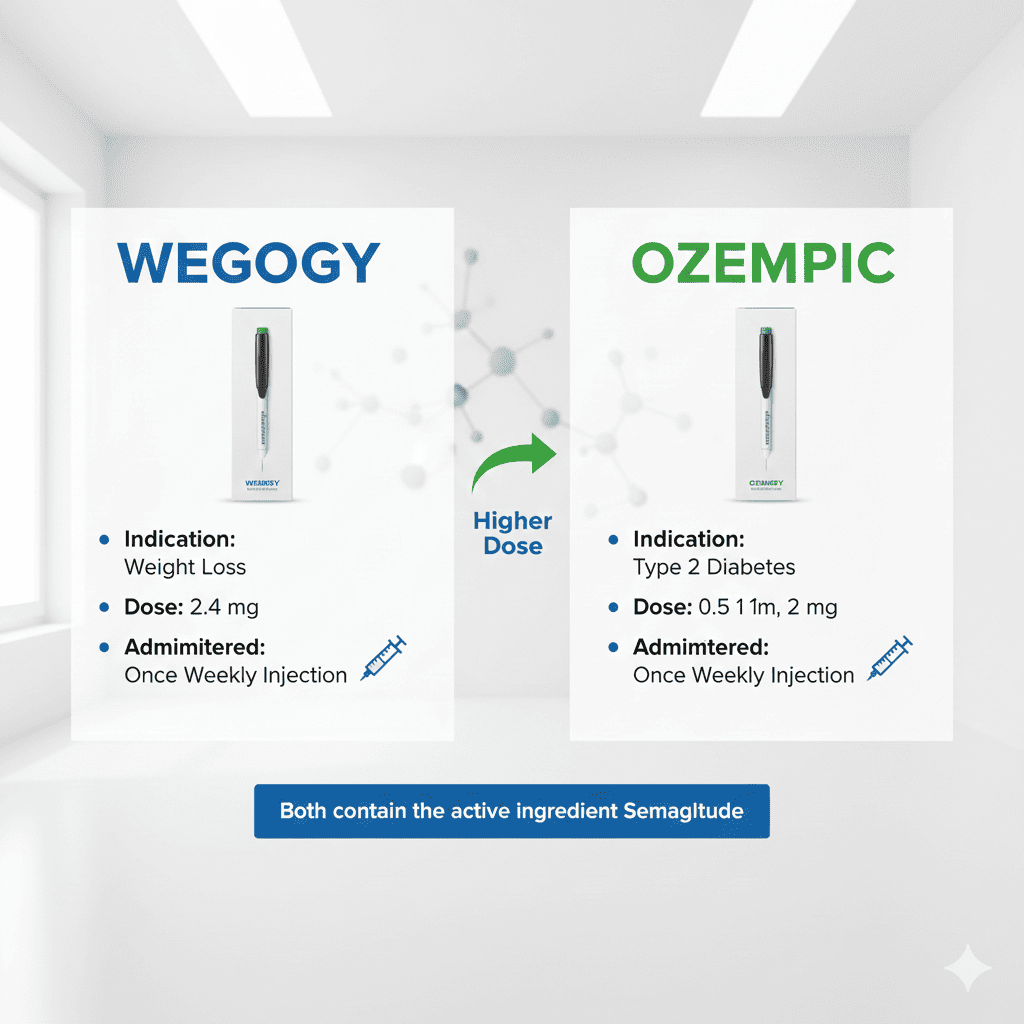
Wegovy and Ozempic share the same active ingredient – semaglutide – but they target different conditions and come in distinct dose strengths.
| Feature | Ozempic | Wegovy |
|---|---|---|
| Formulation | Weekly subcutaneous injection | Weekly subcutaneous injection |
| Indications | Type 2 diabetes, cardiovascular risk | Chronic weight management, MASH, CV risk |
| Dose range | 0.5–2 mg weekly | 2.4 mg weekly |
| FDA approval | December 2017 (T2DM) | June 2021 (obesity), expanded March 2024 |
| Average weight loss | 8–10 lbs at 30 weeks | ~15% of body weight over 68 weeks |
| Monthly list price | ~$936 (in US) | ~$1,418 (in US) |
Source: FDA approvals and reviews (Wikipedia), cost estimates (Drugs.com).
Key takeaways:
- Ozempic focuses on lowering blood sugar and reducing major adverse cardiovascular events in adults with type 2 diabetes.
- Wegovy is specifically approved for weight loss and weight maintenance, including in teens aged 12 and older.
- Insurance coverage varies widely, so check your plan and explore copay assistance where available.
What is Rybelsus? The oral version of semaglutide
Rybelsus is the first and only oral GLP-1 receptor agonist tablet of semaglutide approved for type 2 diabetes. Taken once daily, it offers an alternative for patients who prefer pills over injections.
Highlights:
- Approved in September 2019 as an adjunct to diet and exercise for improving glycemic control in adults with T2DM (Wikipedia).
- Bioavailability is lower than injectable forms, so Rybelsus uses specialized coating technology to enhance absorption.
- Not currently FDA-approved for weight loss, though higher oral doses may be under review.
For a deeper look at how semaglutide works, see our guide on what is semaglutide.
Wegovy vs compounded semaglutide: which is better?
During the 2023–2024 supply shortages of Ozempic and Wegovy, many turned to pharmacies compounding semaglutide injections. Here’s how they compare:
Regulatory oversight
Wegovy: FDA-approved, tested for safety, efficacy, and purity.
Compounded: Not FDA-approved, variable quality controls, potential for contamination or dosage errors (FDA).
Consistency of dosage
Wegovy: Pre-measured, single-use pens ensure accurate dosing.
Compounded: Risk of miscalculation by pharmacy staff or patients, leading to under- or overdosing.
Ingredient profile
Wegovy: Contains semaglutide active ingredient and FDA-approved excipients.
Compounded: May include non-pharmaceutical grade additives and unverified concentrations.
In our experience, sticking with FDA-approved Wegovy reduces the risk of adverse events. If you’re considering a compounded alternative, talk to your provider and verify the pharmacy’s compounding credentials.
What’s in a semaglutide compound? Additives explained
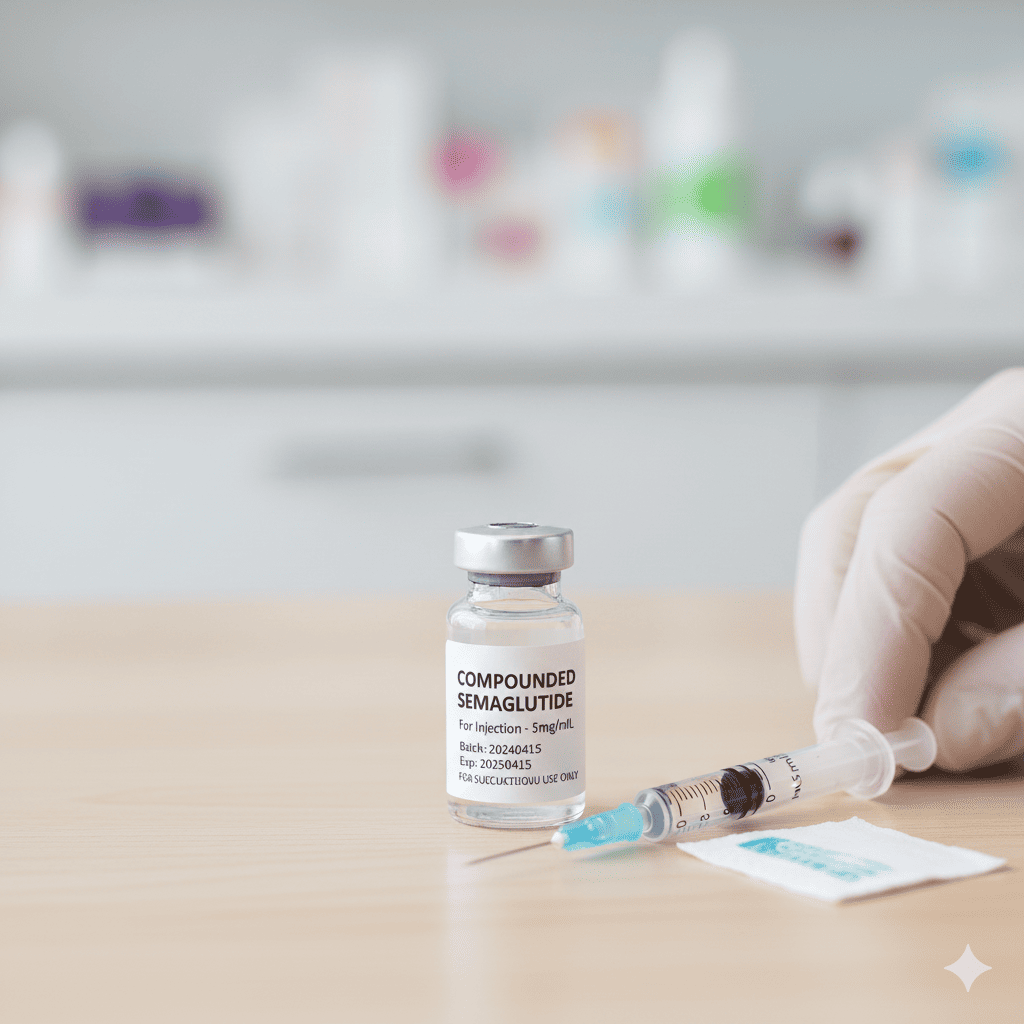
Compounded semaglutide preparations often include various additives to stabilize the solution or offer perceived extra benefits. Common components include:
Buffers and preservatives
Phosphate or acetate buffers for pH control
Benzyl alcohol or phenol as antimicrobial preservatives
Semaglutide salts
Different salt forms to improve solubility
Vitamin B12 (cyanocobalamin)
Added for energy metabolism claims (cyanocobalamin)
Unverified “enhancers”
Trace amino acids, peptides, or antioxidants with little clinical backing
Because compounded formulations lack uniform standards, the safety and effectiveness of these additives can’t be guaranteed.
Comparing bioavailability across brands
Bioavailability – the fraction of the drug reaching systemic circulation – varies by formulation:
Injectables (Ozempic, Wegovy)
Nearly 100% bioavailability via subcutaneous delivery
Steady plasma levels support weekly dosing
Oral tablet (Rybelsus)
Approximately 0.5–1% bioavailability due to GI degradation and first-pass metabolism
Requires daily dosing under fasting conditions for optimal absorption
Emerging oral generics in late-stage trials aim to improve on Rybelsus’s absorption profile, but injectable semaglutide remains the most efficient delivery route.
Brand name vs generic semaglutide: what to know
With semaglutide patents expiring in multiple regions starting in 2026, generic competition is on the horizon. Here’s what to consider:
Cost implications
Generics could undercut brand prices by 30–50% in markets like India and Canada (IQVIA).
Savings may be less dramatic in the US due to patent litigation and market exclusivities.
Quality and regulation
Brand names: manufactured under strict FDA Good Manufacturing Practices
Generics: must demonstrate bioequivalence but may use different excipients
Access and reimbursement
Public payers in some countries may favor generics first
US coverage for weight-loss indications remains limited, so branded copay assistance programs may still be necessary
As generics arrive, we’ll keep an eye on evolving pricing and coverage trends for both diabetes and obesity treatments.
Vitamin B12 additions in compounded semaglutide
Adding vitamin B12 (cyanocobalamin) to compounded semaglutide is a popular marketing angle, but the science is thin:
Rationale
B12 supports red blood cell formation and energy metabolism
Some patients report improved vitality
Evidence gap
No clinical trials show that coadministered B12 enhances semaglutide’s glucose-lowering or weight-loss effects
Risk of masking true B12 deficiency if levels aren’t monitored
Best practice
If you need B12 supplementation, it’s safer to take a separate, pharmaceutical-grade product
Always discuss combined therapies during your semaglutide prescription consultation
We recommend focusing on approved semaglutide therapies and addressing vitamin deficiencies through standard clinical pathways.
We hope this breakdown helps you navigate the landscape of semaglutide brands and compounded products. For more on side effects and best-use guidelines, check out our article on semaglutide side effects. If you have other questions about dosing, pricing, or insurance coverage, let us know in the comments below. We’re here to help you find the right path forward.
Frequently Asked Questions About Semaglutide Brands and Compounded Semaglutide
What is the difference between Ozempic and Wegovy?
Ozempic and Wegovy use the same active ingredient, semaglutide, but they are FDA-approved for different uses and have different dose strengths. Ozempic is approved for type 2 diabetes (and cardiovascular risk reduction in certain adults), while Wegovy is approved for chronic weight management and weight maintenance, including in teens ages 12 and older.
Is compounded semaglutide the same as Wegovy or Ozempic?
No. Wegovy and Ozempic are FDA-approved products with tested safety, efficacy, and purity standards. Compounded semaglutide is not FDA-approved, and quality can vary by pharmacy, including risks tied to contamination, concentration differences, and dosing errors.