



Key Takeaways
- Alli (orlistat 60 mg) is the only FDA-approved over-the-counter weight loss medication, it works by blocking about 25% of dietary fat absorption.
- Alli works best with a low-calorie, low-fat diet and regular exercise, and many people see about 5% body weight loss over one year when used consistently.
- Natural options like glucomannan, green tea extract, and CLA show modest weight loss in small studies, and results vary by dose, diet, and tolerance.
When we set out to compare otc weight loss meds, our goal was to identify products that combine science, safety and real-world effectiveness. In a market crowded with supplements, only a few options have solid clinical data or FDA approval. Below, we break down the top over-the-counter fat burners, explain how they work, explore natural alternatives and highlight the safety issues you need to know before clicking “add to cart.”
Top rated OTC fat burners in 2025
In our review of otc fat burners, one option stands out with FDA approval and robust clinical backing. Other products rely on natural ingredients that show modest benefit in small trials. Here’s an at-a-glance comparison:
| Product | Type | Mechanism | Typical weight loss | Common side effects |
|---|---|---|---|---|
| Alli (orlistat OTC) | FDA-approved lipase inhibitor | Blocks pancreatic lipase, reduces fat absorption by ~25% | +5% body weight over one year* | Oily spotting, frequent or loose stools, flatulence |
| Green tea extract | Natural thermogenic | Contains catechins and caffeine to boost metabolism | 1–3 pounds per year† | Jitteriness, insomnia, stomach upset |
| Glucomannan | Soluble fiber | Expands in stomach to promote fullness | 2–4 pounds in 8–12 weeks‡ | Bloating, gas, risk of choking if misused |
| Conjugated linoleic acid (CLA) | Fat metabolism modulator | May alter fat storage and breakdown | 1–2 pounds in six months§ | Mild gastrointestinal discomfort |
*Clinical trials showed more than 40% of people taking Alli lost at least 5% of body weight within a year when combined with diet and exercise (Mayo Clinic).
†Evidence comes from small studies with mixed results; effects tend to be modest.
‡Based on early clinical research; long-term data remain limited.
§Results vary and depend on individual diet and exercise habits.
How alli (orlistat) works and its limitations
Alli, the only FDA-approved otc weight loss medication, contains 60 mg of orlistat. It targets lipase enzymes in your digestive tract, preventing about 25% of dietary fat from being broken down and absorbed. Undigested fat passes through your system, reducing overall calorie intake.
Key points about using Alli safely:
- Take one capsule within an hour of each fat-containing meal, up to three times daily.
- Limit fat to about 15 grams per meal to minimize digestive side effects (Mayo Clinic).
- Use a low-calorie, low-fat diet and regular physical activity for best results.
- If you lose less than 5% of your starting weight after three months, continuing the drug is unlikely to help.
Common digestive side effects tend to improve over time as your body adjusts. Because orlistat reduces absorption of fat-soluble vitamins A, D, E and K, we advise taking a multivitamin at least two hours after your last dose each day. Long-term success hinges on dietary changes; stopping Alli often leads to weight regain.
Natural supplements with clinical backing
Beyond orlistat, several natural ingredients have small-scale clinical support. While none match the potency of prescription or otc drugs, they may offer gentle support when paired with lifestyle changes.
- Glucomannan: A water-soluble fiber derived from konjac root, glucomannan expands in the stomach to increase fullness. Some trials report 2–4 pounds of weight loss over 8–12 weeks, but results vary and side effects include bloating and gas.
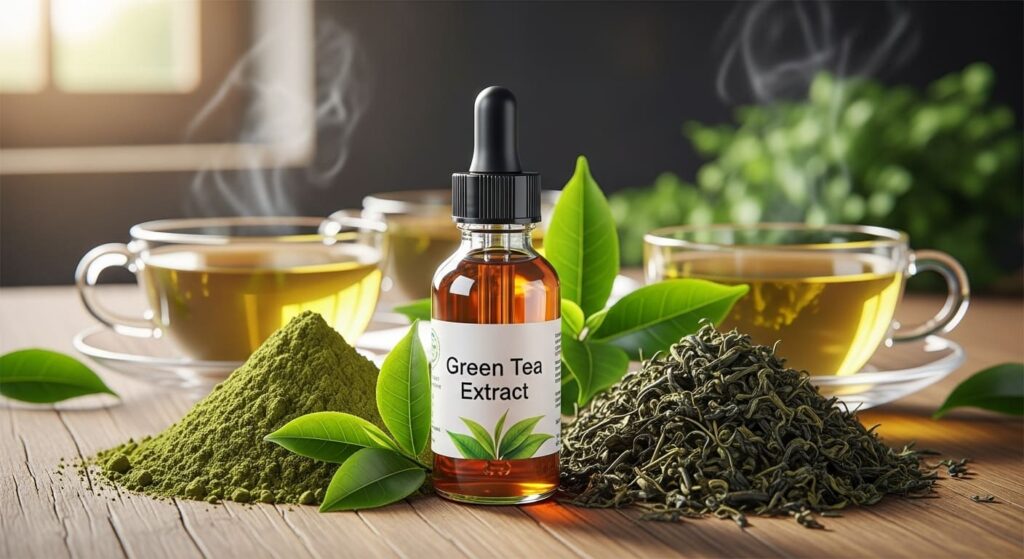
- Green tea extract: Rich in catechins and modest caffeine, green tea extract may boost metabolic rate. Evidence suggests a 1–3 pound advantage over a year, though effects depend on dose and individual tolerance. Common downsides are jitteriness and sleep disturbances.
- Conjugated linoleic acid (CLA): This fatty acid is thought to influence fat storage. Studies show about 1–2 pounds of extra loss in six months, but gastrointestinal discomfort is possible.
We caution that most supplements lack large-scale trials and long-term safety data. Always verify product quality and third-party testing before buying.
Do appetite suppressants without prescription work?
You may see over-the-counter appetite suppressant pills marketed as “clinically proven.” Many contain fiber compounds like glucomannan or stimulants such as caffeine and yerba mate. Here’s what we’ve found:
- Fiber-based suppressants can expand in your gut, creating a sense of fullness. Efficacy is modest and tied to water intake.
- Stimulant-driven products may curb hunger by elevating adrenaline and dopamine, but benefits often wane as tolerance develops.
- Herbal blends with 5-HTP or chromium picolinate claim to reduce cravings, yet clinical evidence is inconsistent.
If you’re weighing otc appetite suppressants against prescription options like phentermine or semaglutide, review our guide to rx weight loss meds before making a choice. In most cases, prescription medications deliver stronger, more predictable results under medical supervision.
Safety concerns with unregulated OTC products
The otc weight loss market is full of unregulated supplements. Many have no FDA review and some contain hidden pharmaceutical ingredients. Red flags include bold promises like “lose 10 pounds in one week” or proprietary blends with undisclosed amounts of active compounds.
Major risks:
- Liver injury and gastrointestinal distress linked to tainted ingredients (Drugs.com).
- Adulteration with prescription drugs that can interact dangerously with other medications.
- Lack of label accuracy and third-party testing.
We recommend consulting your healthcare provider before starting any supplement. For trusted options, stick with FDA-approved products or those certified by organizations like USP or NSF.
Caffeine-based vs non-stimulant formulas

Choosing between stimulant and non-stimulant otc aids depends on your health profile and tolerance. Below is a side-by-side look:
| Feature | Caffeine-based blends | Non-stimulant formulas |
|---|---|---|
| Primary action | Boost energy, thermogenesis | Fiber expansion, lipase inhibition |
| Onset of effect | Within 30–60 minutes | 1-2 hours as fiber absorbs water |
| Appetite suppression | Short-lived, may diminish with use | More sustained fullness |
| Common side effects | Jitteriness, insomnia, rapid heartbeat | Bloating, gas, oily discharge |
| Ideal for | People without heart or sleep issues | Those sensitive to stimulants |
If you’re caffeine-sensitive, non-stimulant options like orlistat or fiber-based supplements may suit you better. Monitor your body’s response and adjust timing and dosage accordingly.
Where to buy legitimate OTC weight loss aids
Finding genuine products is as important as choosing the right formula. Follow these tips:
- Shop at respected pharmacies and major retailers rather than unknown online marketplaces.
- Look for third-party testing seals (USP, NSF) on supplement labels.
- Read customer reviews for consistency in product quality and shipping.
- Compare prices and shipping policies – our cost of weight loss meds guide can help you budget.
- Double-check the full list of ingredients and avoid proprietary blends that don’t disclose amounts.
- Stay informed about product recalls and safety alerts from the FDA website.
If you’re new to otc weight loss meds, start with trial packs or smaller quantities. Track your progress closely and consult your provider if you experience unexpected side effects. For a full list of available options and their mechanisms, see our names of weight loss meds resource.
We hope this breakdown helps you navigate the complex otc weight loss landscape. By focusing on FDA-approved products, clinically supported supplements and safe purchasing practices, we can make smarter choices that support lasting, healthy weight management.
Frequently Asked Questions About OTC Weight Loss Medications
Alli (orlistat 60 mg) is the only FDA-approved over-the-counter weight loss medication. It blocks pancreatic lipase, which reduces fat absorption by about 25%. It tends to work best when paired with a low-calorie, low-fat diet and regular exercise.
Side effects depend on the product. Alli commonly causes oily spotting, frequent or loose stools, and gas, especially if meals are high in fat. Stimulant-based products (often with caffeine) can cause jitteriness, insomnia, and rapid heartbeat. Fiber-based products like glucomannan can cause bloating and gas, and there is a choking risk if it’s not taken with enough water.
Some do, but results are usually modest. Fiber-based suppressants like glucomannan can increase fullness when taken with enough water. Stimulant-based products may curb appetite at first, but the effect can fade as tolerance builds. Blends that include ingredients like 5-HTP or chromium picolinate have mixed evidence, so claims like “clinically proven” should be checked carefully.