


Key Takeaways
- Tirzepatide (Zepbound) shows higher average weight loss in trials (about 20 to 22.5% at 72 weeks) than semaglutide (Wegovy) (about 14 to 15% over a similar period).
- Most prescription weight-loss meds are for adults with BMI 30 or higher, or BMI 27 or higher with weight-related conditions like high blood pressure or type 2 diabetes.
- Many clinicians reassess results after 12 weeks at a full dose, if you have not lost at least 5% of starting weight, your provider may change the plan (per NIDDK guidance).
We’ve watched the rise of rx weight loss meds reshape how we approach shedding pounds, and today we’re diving into the details so you can make an informed choice. In this guide we compare the leading prescription drugs, outline who benefits most from each, explain how to qualify for a prescription, rank options by average weight-loss percent, share user insights, and review safety ratings from trusted medical bodies. Let’s get started.
Semaglutide vs Tirzepatide: Which is more effective?
Semaglutide and tirzepatide are both injectable therapies that mimic gut hormones to curb appetite and boost feelings of fullness, but they differ in their mechanisms and results.
How each drug works
- Semaglutide (Wegovy) is a glucagon-like peptide-1 (GLP-1) receptor agonist that slows stomach emptying and regulates blood sugar, helping us feel satisfied sooner.
- Tirzepatide (Zepbound) targets both GLP-1 and glucose-dependent insulinotropic polypeptide (GIP) receptors. The dual action not only reduces hunger but may also increase calorie burning.
Head-to-head efficacy
Clinical trials show tirzepatide leads to an average 22.5% body-weight reduction at 72 weeks in adults without diabetes, compared with 14.9% for semaglutide over a similar period (Obesity Medicine Association). In practical terms, if we start at 200 pounds, tirzepatide users might lose around 45 pounds versus 30 pounds on semaglutide.
Dosing and administration
- Wegovy is self-administered once weekly, with a gradual escalation to 2.4 mg over 16 to 20 weeks (Obesity Medicine Association).
- Zepbound is given once weekly as well, but dose adjustments vary by tolerance and response, often reaching 15 mg or more.
Side-effect profile
Both medications share gastrointestinal side effects such as nausea, vomiting, diarrhea, and constipation. Tirzepatide may cause slightly more digestive discomfort early on but could offer greater overall weight loss. Serious adverse events remain rare when supervised by a healthcare provider.
Who should take Qsymia or Contrave?
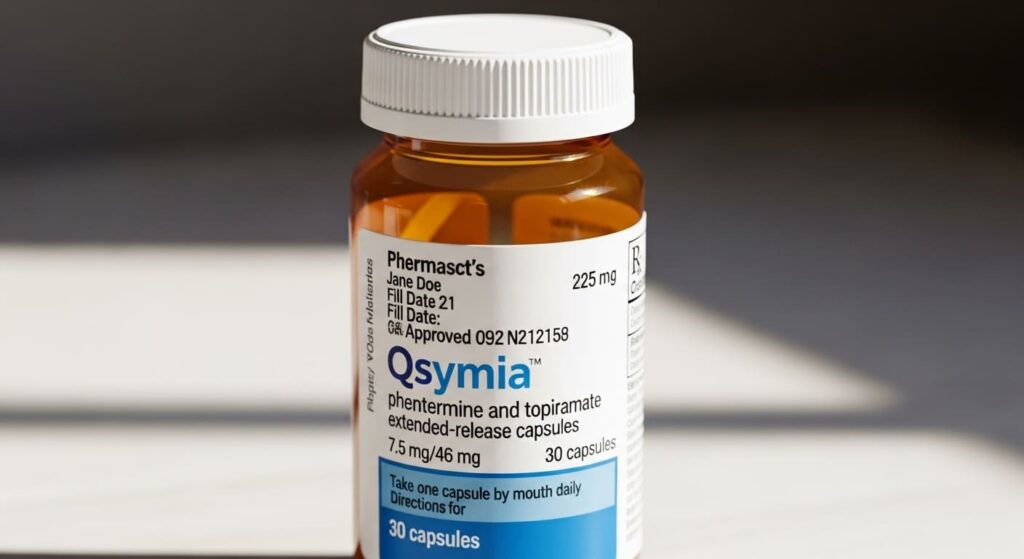
Phentermine-topiramate (Qsymia) and bupropion-naltrexone (Contrave) are oral options that work differently from injectables. Here’s who might consider each:
Qsymia (phentermine-topiramate)
- Mechanism: Phentermine is a stimulant that suppresses appetite, while topiramate enhances satiety and may boost calorie burn.
- Ideal candidates: Adults with BMI ≥ 30, or BMI ≥ 27 plus weight-related conditions such as high blood pressure or type 2 diabetes.
- Considerations: Stimulating effects can elevate heart rate and blood pressure, and insomnia or mood changes may occur. It is not recommended for those with cardiovascular disease or during pregnancy.
Contrave (bupropion-naltrexone)
- Mechanism: Naltrexone blocks opioid receptors, curbing food cravings, while bupropion influences brain pathways that regulate appetite.
- Ideal candidates: Similar BMI thresholds apply, especially when emotional or compulsive eating drives weight gain.
- Considerations: Carry a warning for suicidal thoughts due to the bupropion component, and may raise blood pressure. Avoid in uncontrolled hypertension or seizure disorders.
Both Qsymia and Contrave require careful monitoring of mood, heart health, and blood pressure, and they’re approved for long-term use when benefits outweigh risks. For a full list of prescription options, check our guide on fda approved weight loss meds.
How to qualify for a prescription from your doctor
Securing a prescription for rx weight loss meds involves meeting medical guidelines and preparing for a candid conversation with your healthcare provider.
- Gather your health metrics
- Document your weight history, height, and BMI.
- Note any weight-related conditions such as sleep apnea, hypertension, or prediabetes.
- Review lifestyle efforts
- Show records of your diet and exercise routine over the past 6 to 12 months.
- Highlight structured programs or consultations you’ve tried.
- Discuss eligibility criteria
- Generally, adults with BMI ≥ 30 qualify, or BMI ≥ 27 with comorbidities (Richmond Aesthetic Surgery).
- Pregnant or breastfeeding individuals, or those with certain heart or thyroid disorders, are typically excluded.
- Explore insurance coverage
- Coverage for medications such as Wegovy or Zepbound varies. Ask about your plan’s formulary and preferred alternatives.
- If cost is a concern, our article on cost of weight loss meds offers strategies for savings.
- Plan ongoing monitoring
- Agree on regular follow-ups to track weight loss, vital signs, and any side effects.
- If you haven’t lost at least 5% of your starting weight after 12 weeks at full dose, your provider may adjust the treatment (NIDDK).
Prescription drug rankings based on weight loss %
Below we rank six FDA-approved prescription weight-loss drugs by average percent of starting body weight lost over one year. Results assume use alongside lifestyle changes.
| Rank | Medication | Average weight loss | Form | Dosing frequency |
|---|---|---|---|---|
| 1 | Tirzepatide (Zepbound) | 20–22.5% | Injection | Weekly |
| 2 | Semaglutide (Wegovy) | 14–15% | Injection | Weekly |
| 3 | Liraglutide (Saxenda) | 8–10% | Injection | Daily |
| 4 | Phentermine-topiramate (Qsymia) | 8–10% | Pill | Daily |
| 5 | Bupropion-naltrexone (Contrave) | 5–8% | Pill | Daily |
| 6 | Orlistat (Xenical, Alli) | 3–5% | Pill | 3 times/day |
Sources include clinical trial data from the Mayo Clinic and the National Institute of Diabetes and Digestive and Kidney Diseases.
User reviews and real-world results
Clinical trials offer controlled insights, but real-world experiences reveal day-to-day challenges and triumphs with rx weight loss meds.
- Over half of adults on GLP-1 receptor agonists report losing 10% or more of their starting weight within six months, underscoring the rapid impact of these drugs (NIDDK).
- A 2023 analysis found 68% of people on semaglutide discontinued within a year, often due to gastrointestinal side effects or insurance barriers (Obesity Medicine Association).
- Contrave users often praise reduced cravings and improved mood control, while some cite headaches or insomnia as drawbacks.
- Qsymia reviews highlight strong appetite suppression but note stimulant-like effects may disrupt sleep.
- Tirzepatide early adopters celebrate dramatic weight loss, though some adjust dosing to manage nausea.
Every individual’s journey differs, so connecting with peers in support groups or online communities can help set realistic expectations and sustain motivation. For insights on over-the-counter options, see our post on otc weight loss meds.
Safety ratings from medical associations

Before starting any prescription, we weigh efficacy against safety. Major organizations rate these drugs as follows:
- American Diabetes Association endorses GLP-1 agonists like semaglutide and tirzepatide for patients with obesity and diabetes, citing robust weight loss and cardiovascular benefits.
- The Obesity Medicine Association classifies phentermine-topiramate and bupropion-naltrexone as safe for long-term use when monitored, though they stress screening for psychiatric or cardiovascular risks.
- The U.S. FDA requires boxed warnings for bupropion-naltrexone due to suicide risk and for phentermine-topiramate because of potential birth defects.
- Gastrointestinal side effects are most common with injectables; they tend to subside after dose escalation. Serious events like pancreatitis or gallbladder issues occur in fewer than 1% of patients but warrant immediate attention.
Ultimately, the best choice balances weight-loss goals with personal health history, tolerance for side effects, and cost considerations. If you’re exploring all your options, our overview of the best weight loss meds can help you compare features side-by-side.
We hope this guide clarifies the landscape of prescription weight-loss medications and empowers you to have an informed conversation with your healthcare provider. Remember, these therapies work best alongside nutritious eating, regular physical activity, and behavior support. Here’s to finding the approach that works for you!
Frequently Asked Questions About Prescription Weight Loss Medications
Tirzepatide (Zepbound) has the highest average results, at about 20 to 22.5% body-weight reduction at 72 weeks in adults without diabetes. Semaglutide (Wegovy) is lower in the same comparison, at about 14.9% over a similar period. Real-world results still vary by dose, side effects, and adherence.
The usual criteria is BMI 30 or higher, or BMI 27 or higher with weight-related conditions such as sleep apnea, hypertension, or prediabetes. People who are pregnant or breastfeeding, or who have certain heart or thyroid disorders, are often excluded. A clinician makes the final call based on your full medical history.
Qsymia (phentermine-topiramate) combines an appetite suppressant (phentermine) with topiramate, which can increase fullness and may affect calorie burn. Contrave (bupropion-naltrexone) targets brain and reward pathways that affect appetite and cravings, it is often considered when emotional or compulsive eating is a factor.