


Key Takeaways
- GLP-1 receptor agonists can support both blood sugar control and weight loss by boosting insulin when glucose is high, lowering glucagon, slowing stomach emptying, and reducing appetite.
- Common dual-use options include semaglutide (Ozempic, Wegovy), liraglutide (Victoza, Saxenda), and tirzepatide (Mounjaro, Zepbound), with oral semaglutide available as Rybelsus.
- GLP-1 drugs alone have a low hypoglycemia risk, but the risk goes up when combined with insulin or sulfonylureas, dose changes and closer glucose checks help reduce risk.
Managing type 2 diabetes often means keeping blood sugar and body weight in check. Recently, weight loss meds for diabetes have gained traction for offering dual benefits: improved glucose control and significant weight reduction. In this article, we’ll look at how these medications work, review key clinical trials, weigh the benefits and risks, and offer practical guidelines for patients and clinicians alike.
How GLP-1 agonists control both weight and blood sugar
GLP-1 receptor agonists mimic the body’s natural glucagon-like peptide-1 hormone to boost insulin release, suppress glucagon, slow stomach emptying, and curb appetite. By acting on both digestive and central nervous systems, they address two challenges at once: lowering elevated blood glucose and helping patients feel full sooner.
Key GLP-1 agents include:
- Semaglutide (Ozempic for diabetes, Wegovy for weight loss)
- Liraglutide (Victoza for diabetes, Saxenda for weight loss)
- Tirzepatide (Mounjaro for diabetes, Zepbound for obesity)
Clinical data show semaglutide users lose an average of 15% of body weight, with accompanying reductions in heart and kidney disease risk (UCLA Health). Tirzepatide, a dual GIP-GLP-1 agonist, outperforms earlier options – adults on tirzepatide saw up to 22.5% weight loss at 72 weeks in obesity trials (Obesity Medicine Association).
Because GLP-1s require weekly or daily injections (except for the oral semaglutide pill Rybelsus), they are categorized as prescription treatments. If you’re weighing different options, see our overview of rx weight loss meds.
Clinical trials on tirzepatide in diabetic patients

Tirzepatide’s SURPASS program enrolled type 2 diabetes patients to measure both glucose control and weight outcomes. In these trials, participants on tirzepatide achieved:
- HbA1c reductions up to 2 percentage points
- Weight loss averaging 15% of body weight (about 41 pounds over 72 weeks) (Sesame Care)
- Lower reliance on additional glucose-lowering therapies
Compared with placebo or active comparators like insulin glargine, tirzepatide consistently delivered superior dual outcomes. These results highlight its role in comprehensive diabetes management, especially for patients struggling with obesity.
Weight loss in prediabetics: can drugs prevent progression?
Prediabetes affects nearly 1 in 3 Americans, and lifestyle changes remain the first-line approach to delay or prevent type 2 onset. While GLP-1 agonists show impressive weight loss, they are FDA-approved for obesity only if BMI exceeds 27 with comorbidities or 30 without (UCLA Health). Off-label use in prediabetes lacks definitive trial data.
What we know:
- Modest weight loss (5–10%) can cut diabetes risk by up to 58% in people with prediabetes
- Semaglutide trials in non-diabetic obesity hinted at metabolic improvements but did not focus on progression rates
- Insurance coverage for off-label prescribing is rare, and high costs may outweigh unproven benefits (see cost of weight loss meds)
Until more targeted studies arrive, we recommend prioritizing diet, exercise, and regular glucose monitoring to keep prediabetes at bay.
Risk of hypoglycemia when using dual-purpose meds
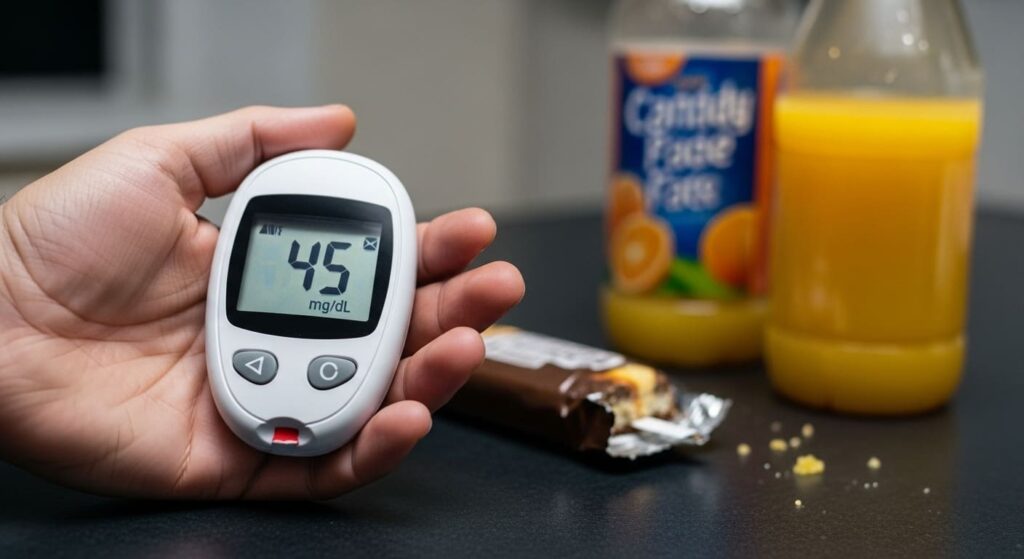
GLP-1 agonists alone carry a low risk of hypoglycemia because they enhance insulin secretion only when blood sugar is elevated. However, combining them with insulin or sulfonylureas raises the risk of dangerously low glucose levels. Mayo Clinic experts note that patients on multiple therapies should:
- Adjust insulin or sulfonylurea doses downward when starting a GLP-1
- Monitor blood sugar more frequently, especially during dose escalations
- Recognize hypoglycemia symptoms (sweating, dizziness, confusion) and keep fast-acting carbs on hand
For a fuller look at adverse effects, check our guide to weight loss meds side effects.
Best medications for type 2 diabetes and obesity
Our roundup of leading dual-action treatments highlights efficacy, dosing, and side effect profiles. For a deeper comparison of non-prescription options, visit our piece on best weight loss meds.
| Medication | Indications | Dose & frequency | Avg. weight loss | Common side effects |
|---|---|---|---|---|
| Semaglutide (Wegovy) | Obesity, type 2 diabetes | 2.4 mg weekly injection | ~15% body weight † | Nausea, vomiting, diarrhea |
| Tirzepatide (Zepbound) | Obesity, type 2 diabetes | Weekly injection | ~22.5% at 72 weeks ‡ | GI upset, fatigue |
| Liraglutide (Saxenda) | Obesity, type 2 diabetes | Daily injection | 5–10% body weight | Nausea, headache |
| Rybelsus (oral semaglutide) | Type 2 diabetes | Daily pill | ~8 lbs in 6 months | GI issues |
| Empagliflozin (SGLT-2) | Type 2 diabetes | Daily pill | 3–5 lbs in 6 months | UTI, dehydration |
† Obesity Medicine Association
‡ Obesity Medicine Association
Blood sugar monitoring on weight loss drugs
Introducing a GLP-1 or SGLT-2 inhibitor can alter insulin needs and hypoglycemia risk. We recommend:
- Self-monitoring blood glucose (SMBG) daily, especially in the first 4–8 weeks
- Checking A1C every 3–6 months to gauge long-term control
- Considering continuous glucose monitoring (CGM) for patients with erratic readings or hypoglycemia unawareness
Consistent tracking helps us adjust therapies and keep both weight and glucose on target.
Doctor guidelines for diabetics starting GLP-1s
When initiating GLP-1 therapy, clinicians should:
- Confirm indication: BMI criteria, comorbid conditions, prior therapies
- Screen for contraindications: personal/family history of medullary thyroid carcinoma, pancreatitis risk
- Start low and go slow: gradual dose escalation over 4–20 weeks to improve tolerability
- Educate on injection technique and side-effect management
- Discuss cost and coverage: weekly injections like Wegovy run about $1,300 per month – explore assistance programs and review the cost of weight loss meds
- Integrate lifestyle support: combine pharmacotherapy with nutritional counseling and exercise
By following evidence-based protocols and keeping communication open, we can help patients harness the double benefits of these medications while minimizing risks.
Try incorporating these insights at your next appointment or share them with your care team. Together, we can make informed decisions on weight loss meds for diabetes that balance efficacy, safety, and quality of life.
Frequently Asked Questions About Weight Loss Medication for Diabetes
GLP-1 based medicines as the main category used for both weight and glucose control. Examples include semaglutide (Ozempic for diabetes, Wegovy for weight loss), liraglutide (Victoza for diabetes, Saxenda for weight loss), and tirzepatide (Mounjaro for diabetes, Zepbound for obesity).
GLP-1 receptor agonists mimic a natural hormone (GLP-1). They increase insulin release when blood sugar is high, suppress glucagon, slow stomach emptying, and reduce appetite. That combo can lower blood glucose and help people feel full sooner, which supports weight loss.
Lifestyle changes are still the first-line approach for prediabetes. GLP-1 drugs are FDA-approved for obesity only when BMI is over 27 with comorbidities or 30 without, and off-label use for prediabetes lacks definitive trial data on preventing progression.